What if your best workout plan didn’t require a gym, equipment, or even perfect rhythm?
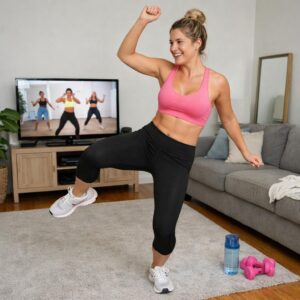
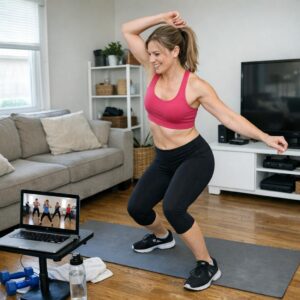
A weekly dance workout routine at home can build stamina, burn calories, improve coordination, and make exercise feel less like a chore.
The key is not dancing harder every day-it is balancing intensity, recovery, music styles, and realistic time blocks so you stay consistent.
In this guide, you’ll learn how to structure a simple, effective dance fitness schedule that fits your space, energy level, and goals.
What Makes a Balanced Weekly Dance Workout Routine at Home?
A balanced weekly dance workout routine at home should mix cardio, strength, mobility, and recovery instead of doing the same high-energy class every day. Dance is excellent for cardiovascular fitness, but your body still needs lower-impact sessions to protect your knees, hips, and lower back.
A practical week might include two intense dance cardio workouts, two moderate rhythm-based sessions, one strength-focused day, and at least one recovery or mobility day. For example, you could do a 30-minute hip-hop class on Monday, a Latin dance workout on Wednesday, bodyweight strength training on Friday, and a gentle stretch or beginner ballet barre session on Sunday.
- Cardio days: Use platforms like YouTube, FitOn, or Peloton App for dance fitness classes that raise your heart rate.
- Strength days: Add squats, lunges, glute bridges, and core work to improve balance, posture, and injury prevention.
- Recovery days: Include stretching, foam rolling, or mobility work to reduce soreness and support consistency.
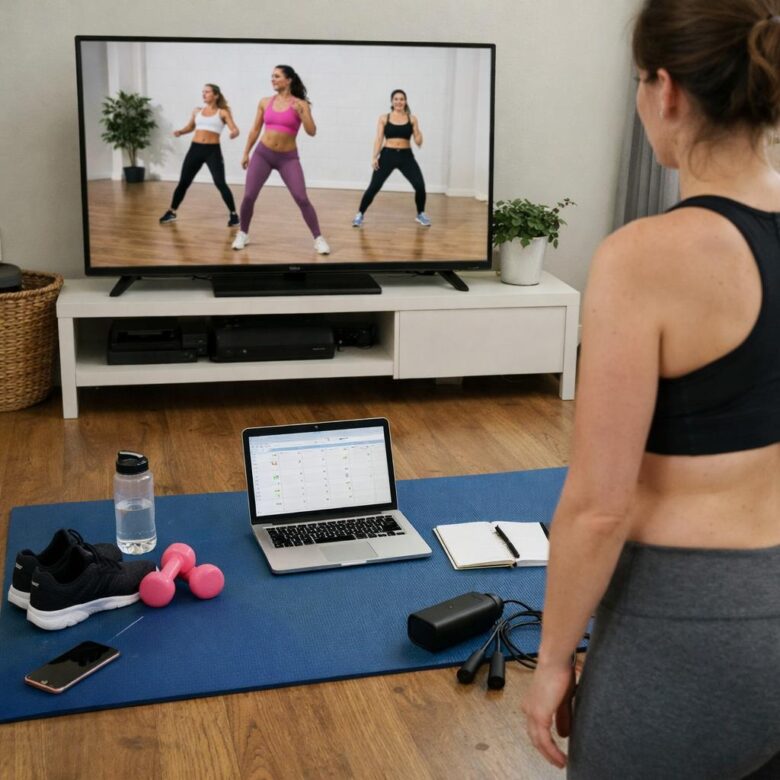
In real life, the best routine is the one that fits your space, schedule, and energy level. If you live in an apartment, choose low-impact dance workouts with no jumping and use wireless headphones, a smart TV, or a fitness tracker to monitor intensity without disturbing anyone.
One useful rule: avoid stacking your hardest dance workouts back-to-back. Alternating intensity gives you the benefits of a home workout plan while lowering the risk of burnout, overuse pain, and skipped sessions.
How to Build a 7-Day Home Dance Workout Schedule by Fitness Level
A good 7-day dance workout schedule should match your current fitness level, not just your motivation on Monday. Use a fitness tracker, heart rate monitor, or workout app like Fitbit to check whether your sessions feel challenging but still controlled.
| Fitness Level | Weekly Dance Plan | Best Focus |
|---|---|---|
| Beginner | 3 dance days, 2 mobility days, 2 rest days | Low-impact steps, rhythm, joint safety |
| Intermediate | 4 dance days, 1 strength day, 1 mobility day, 1 rest day | Calorie burn, endurance, coordination |
| Advanced | 5 dance days, 1 strength day, 1 active recovery day | HIIT dance, power moves, performance quality |
For example, a beginner could do 20 minutes of salsa-inspired cardio on Monday, a gentle hip-hop routine on Wednesday, and a low-impact Zumba-style class on Friday using YouTube or an online dance fitness subscription. On the other days, short stretching sessions help reduce soreness and keep the habit going.
Intermediate and advanced dancers should vary intensity instead of going hard every day. A smart weekly setup might include:
- One high-energy cardio dance workout for conditioning
- One technique-focused session for balance, posture, and footwork
- One recovery session with mobility, yoga, or light walking
In real home workouts, space and flooring matter more than people expect. If you train on tile or concrete, consider supportive dance sneakers or a compact exercise mat to lower impact and make your weekly routine safer and more sustainable.
How to Progress Safely: Intensity, Recovery, and Dance Workout Mistakes to Avoid
Progressing a home dance workout routine is not about adding harder choreography every day; it is about increasing intensity in small, trackable steps. A simple rule is to change only one variable at a time: workout length, speed, resistance, or complexity. For example, if you normally do 25 minutes of cardio dance, move to 30 minutes before adding ankle weights or advanced jumps.
Use a fitness tracker, heart rate monitor, or smartwatch like Fitbit to check whether you are actually training in a moderate-to-vigorous zone instead of guessing. This is especially useful for dance fitness because excitement can make you push harder than planned. If your heart rate stays unusually high during easy moves, or your coordination drops, treat it as a sign to reduce intensity.
- Plan recovery: Include at least one low-impact day with mobility, stretching, or beginner dance drills.
- Protect your joints: Wear supportive dance sneakers and avoid doing high-impact routines on tile or concrete floors.
- Track soreness: Muscle fatigue is normal; sharp knee, hip, or ankle pain is not.
One common mistake I see with at-home workouts is repeating the same viral routine daily because it feels familiar. Over time, that can overload the same muscles and limit fitness results. Rotate styles-such as Latin dance, hip-hop cardio, barre-inspired dance, and low-impact recovery-to improve endurance while lowering injury risk.
If you are returning after a long break, consider using an online fitness program or virtual personal training session for form feedback. The cost can be worthwhile if it helps prevent setbacks and keeps your weekly routine sustainable.
Expert Verdict on How to Create a Weekly Dance Workout Routine at Home
A successful home dance routine is the one you can repeat consistently, not the one that looks perfect on day one. Choose styles you enjoy, match intensity to your energy, and leave room for recovery so movement stays motivating instead of draining.
Start simple: plan a realistic weekly schedule, track how your body responds, and adjust when needed. If your goal is fitness, prioritize consistency and progression; if your goal is confidence or stress relief, prioritize enjoyment. The best decision is to build a routine that fits your life-then keep showing up.

Dr. Adrian Miles is a movement wellness specialist focused on dance fitness, online dance learning, and healthy body movement. He creates practical content to help readers improve coordination, confidence, flexibility, and overall well-being through accessible dance-based routines.