What if the best dance class for you has less to do with talent-and more to do with your schedule, confidence, and learning style?
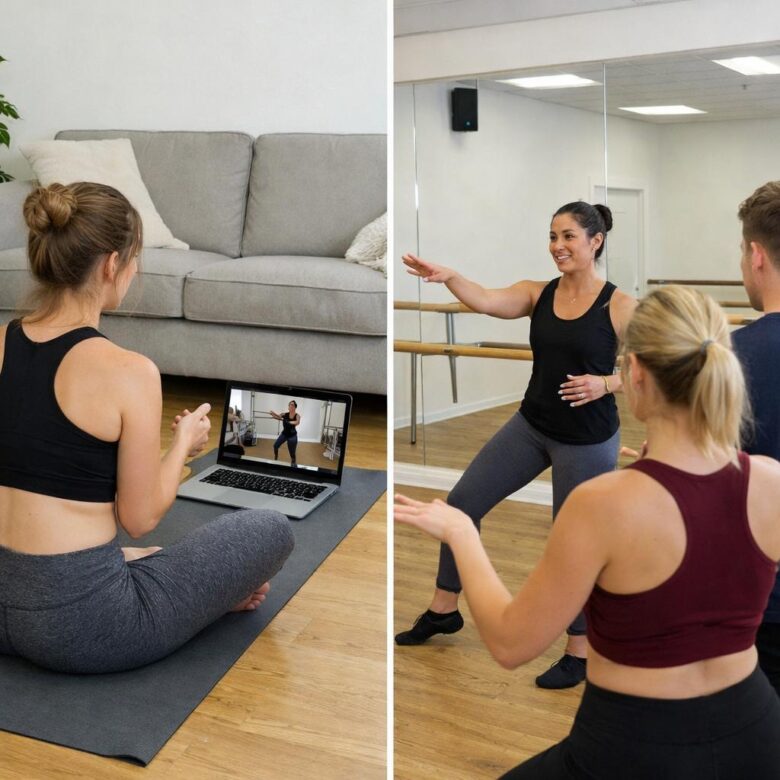
Online dance classes promise flexibility, privacy, and access to world-class instructors from your living room. In-person lessons offer real-time correction, accountability, and the energy of moving with others.
The right choice depends on what you want most: convenience, technique, motivation, community, or faster progress. This guide breaks down the real strengths and trade-offs of each option so you can choose the format that actually helps you keep dancing.
What Online Dance Classes and In-Person Dance Lessons Actually Offer: Format, Feedback, and Learning Style
Online dance classes usually give you flexible access to pre-recorded lessons, live-stream sessions, or app-based training through platforms like STEEZY Studio, YouTube, or Zoom. This format works well if you want affordable dance lessons at home, need to fit practice around work, or prefer replaying choreography until it clicks.
The trade-off is feedback. Unless you choose live virtual coaching or submit videos for review, you may not notice issues with posture, timing, weight transfer, or foot placement. A beginner learning salsa at home, for example, might memorize the steps but miss the lead-and-follow technique that makes partner dancing feel natural.
In-person dance lessons offer a more hands-on learning experience, especially in styles like ballroom, ballet, hip-hop, tango, and contemporary dance. A teacher can correct your alignment immediately, adjust your spacing, and help you understand musicality in real time. That instant correction is often what justifies the higher private dance lessons cost or monthly dance studio membership.
- Choose online classes if you want convenience, lower cost, and repeatable practice.
- Choose in-person lessons if you need personal feedback, partner work, or performance preparation.
- Use both if you want faster progress: studio coaching plus home practice with a phone, mirror, or smart TV.
In real studios, I’ve seen students improve fastest when they record short practice clips between lessons. Even a simple smartphone video can reveal habits you do not feel while dancing.
How to Choose the Right Dance Class Format for Your Goals, Schedule, Budget, and Skill Level
Start with your goal, not the trend. If you want wedding dance choreography, audition prep, or fast correction on technique, in-person lessons or live private coaching are usually worth the higher cost because the teacher can adjust your posture, timing, and partnering in real time.
If your goal is fitness, confidence, or learning at your own pace, online dance classes can be more practical. A platform like STEEZY Studio or live sessions on Zoom lets you train around work, childcare, or travel, and you can replay difficult sections without paying for another lesson.
- Choose online classes if you need flexible scheduling, lower monthly subscription fees, beginner-friendly tutorials, or access to styles not offered locally.
- Choose in-person lessons if you need hands-on feedback, partner work, performance coaching, or help breaking bad movement habits.
- Choose a hybrid plan if you want affordable practice at home plus occasional studio check-ins for technique correction.
Budget matters too. Online dance memberships often cost less than a single private lesson, but you may still need basic home studio equipment such as a full-length mirror, supportive dance shoes, a yoga mat, or a phone tripod for recording practice videos.
A real-world example: a beginner learning hip-hop for fitness may do well with online classes three nights a week, while someone preparing for a salsa social or first dance at a wedding will usually progress faster with in-person feedback. The best format is the one you can attend consistently without outgrowing the instruction too quickly.
Common Mistakes When Comparing Virtual and Studio Dance Lessons-and How to Get Better Results
One common mistake is judging online dance classes only by price. A low monthly subscription can be great, but if you need corrections on posture, timing, or foot placement, a cheaper virtual dance lesson may slow your progress. For example, a beginner learning salsa turns might save money with recorded classes, but one private in-person lesson can quickly fix balance issues that videos miss.
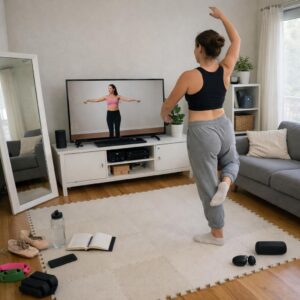
Another mistake is ignoring your home setup. Online lessons work much better when you have enough space, a stable internet connection, a full-length mirror, and a device with a clear camera. Platforms like Zoom can be effective for live coaching, but only if the instructor can actually see your full body, not just your face and shoulders.
- For technique: choose studio dance lessons or live virtual coaching with feedback.
- For flexibility: use online dance class subscriptions, apps, or recorded lessons.
- For performance prep: consider private dance lessons, even if you train online most of the week.
A real-world approach that often works best is hybrid training. Many adult learners practice with online dance programs during the week, then book an in-person class once or twice a month to clean up technique. This keeps dance lesson costs manageable while still giving you professional feedback.
Also, do not compare convenience against quality as if they are opposites. The better question is: what kind of feedback, accountability, and learning environment do you need right now? That answer will usually point you toward the right option.
Closing Recommendations
The best choice depends on how you learn, what you want to achieve, and how much structure you need. Choose online dance classes if flexibility, affordability, and practicing at your own pace matter most. Choose in-person lessons if you want real-time correction, stronger accountability, and a more social learning experience.
For many dancers, the smartest path is a mix of both: use online classes to build consistency and explore styles, then take in-person lessons when you need feedback, refinement, or performance preparation. Start with the option you can sustain-because the class you attend regularly will always beat the “perfect” one you rarely use.

Dr. Adrian Miles is a movement wellness specialist focused on dance fitness, online dance learning, and healthy body movement. He creates practical content to help readers improve coordination, confidence, flexibility, and overall well-being through accessible dance-based routines.