Your home floor can improve your dancing-or quietly injure you.
The wrong surface can be too slippery, too sticky, too hard, or too unstable, affecting everything from turns and footwork to knee, ankle, and hip safety.
Whether you practice ballet, hip-hop, tap, jazz, contemporary, or ballroom, the best flooring depends on shock absorption, traction, durability, noise control, and the type of shoes-or bare feet-you use.
This guide breaks down the best home dance flooring options so you can create a practice space that feels professional, protects your body, and fits your room and budget.
What Makes a Home Dance Floor Safe: Shock Absorption, Slip Control, and Surface Stability
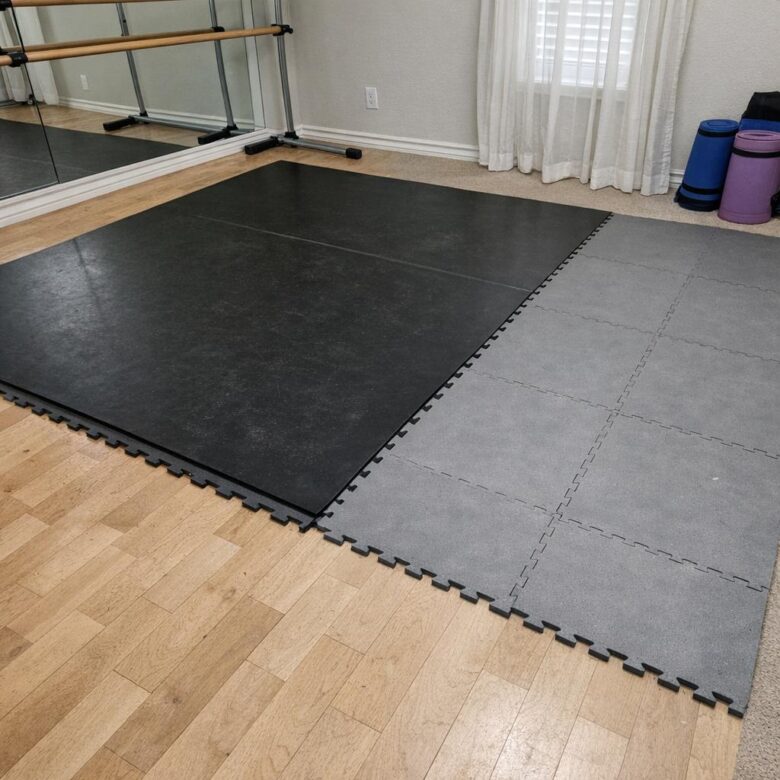
A safe home dance floor should protect your joints first. Dancing on concrete, tile, or thin laminate may feel fine for a few minutes, but repeated jumps, turns, and floorwork can stress the knees, ankles, hips, and lower back. For regular practice, look for a flooring system with shock absorption, such as foam-backed dance tiles, rubber underlayment, or a sprung subfloor under a vinyl Marley surface.
Slip control is just as important. A good dance floor should let you turn without gripping too hard, but it should not feel slick like polished hardwood or sticky like some gym mats. For example, a ballet dancer practicing pirouettes may do well with a Marley floor such as Harlequin Cascade, while a tap dancer usually needs a harder, more stable surface that can handle impact and sound.
- Shock absorption: reduces impact during jumps, cardio dance, and contemporary movement.
- Slip resistance: helps prevent falls without blocking safe turns and pivots.
- Surface stability: keeps panels, mats, or rolls from shifting during fast footwork.
In real home setups, the biggest mistake I see is placing a beautiful vinyl dance mat directly over carpet or uneven flooring. It may wrinkle, slide, or feel unstable under the feet. If you are comparing home dance flooring cost, include the price of tape, underlayment, edge ramps, and installation supplies from retailers like Greatmats or a local flooring contractor, not just the surface material.
Best Flooring Options for Different Dance Styles: Ballet, Tap, Hip-Hop, Ballroom, and Contemporary
The best home dance studio flooring depends heavily on how you move, not just how the room looks. Ballet and contemporary dancers usually need a smooth vinyl marley surface over sprung floor panels or high-density foam underlayment to reduce joint stress during jumps, turns, and floorwork.
For ballet, avoid carpet, tile, and sticky rubber because they can interrupt turns and increase injury risk. A portable marley roll from brands like Greatmats is a practical option for apartments or multipurpose rooms because it can be rolled out for practice and stored after class.
- Tap: Use a hardwood tap board or portable tap dance floor over a protective mat. Never tap directly on laminate or rental flooring, as metal taps can leave permanent marks.
- Hip-hop: Choose durable vinyl, laminate, or sport court-style flooring with moderate grip. Too much traction can strain knees during slides, pivots, and fast footwork.
- Ballroom: Engineered wood or a portable ballroom dance floor works best for smooth gliding, turns, and partner movement.
A real-world example: a dancer practicing both contemporary and tap at home may use marley for daily technique, then place a separate tap board on top only when needed. This setup keeps flooring cost reasonable while protecting the subfloor and giving each dance style the right surface.
If you are comparing dance flooring installation options, prioritize shock absorption, slip resistance, storage needs, and replacement cost. The cheapest floor is not always the safest one.
Common Home Dance Flooring Mistakes to Avoid Before Installing Mats, Marley, or Wood Panels
One of the biggest mistakes is placing dance mats, Marley flooring, or wood panels directly over concrete, tile, or uneven laminate without checking shock absorption first. A surface can look smooth but still be too hard for repeated jumps, turns, and pointe work, which may increase joint strain and shorten the life of your dance flooring investment.
Before installation, test the room with a level and measure humidity with a tool like the ThermoPro Digital Hygrometer. Moisture matters because trapped humidity can warp portable wood panels, loosen adhesive tape, and create mold issues under vinyl dance flooring or foam underlayment.
- Skipping underlayment: Marley over bare concrete is not the same as a sprung floor. Use dense foam, rubber underlayment, or a proper floating subfloor when impact protection is needed.
- Using the wrong tape: Regular duct tape can leave residue and damage vinyl. Choose professional Marley tape or low-residue flooring tape.
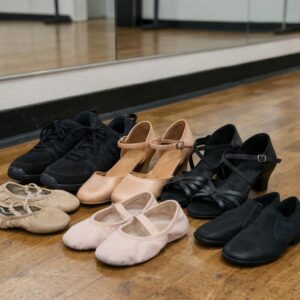
- Ignoring shoe type: Tap shoes, ballet slippers, sneakers, and ballroom heels need different traction levels to prevent slipping or sticking.
A common real-world example: a dancer installs portable Marley in a garage, then finds it bubbling after a week because the concrete slab was cold and slightly damp. Spending a little more on a moisture barrier and proper subfloor system can save replacement cost, reduce injury risk, and make the home dance studio feel far more professional.
Key Takeaways & Next Steps
The right home dance floor should protect your body, support your technique, and suit the style you practice most. If you are unsure, prioritize shock absorption, slip control, and a stable subfloor over appearance or price alone. A portable marley surface or sprung-style setup is often the safest long-term choice for regular practice, while simple temporary options may work for light movement or occasional sessions.
Before committing, test how the floor feels under turns, jumps, and footwork. The best decision is the one that lets you train confidently without compromising comfort, control, or injury prevention.

Dr. Adrian Miles is a movement wellness specialist focused on dance fitness, online dance learning, and healthy body movement. He creates practical content to help readers improve coordination, confidence, flexibility, and overall well-being through accessible dance-based routines.