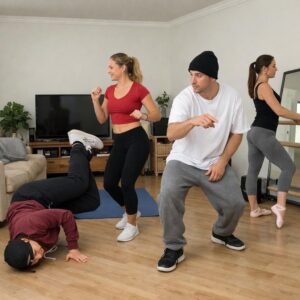
Ever feel like the music is moving-but your body is a half-second behind?
Rhythm and coordination are not “natural gifts” reserved for born dancers; they are trainable skills built through timing, body awareness, and repetition.
Whether you dance salsa, hip-hop, ballroom, contemporary, or just want to feel less awkward on the dance floor, improving your rhythm starts with learning how to hear the beat and translate it into movement.
This guide breaks down practical ways to sharpen your musical timing, control your body, and move with more confidence-so dancing feels less like guessing and more like groove.
What Rhythm and Coordination Mean in Dance: Beat, Timing, Weight Transfer, and Body Control
Rhythm in dance is your ability to hear the beat and move with it, while coordination is how well your arms, legs, core, and head work together without fighting each other. Good timing means you step on the correct count, but good dancing also depends on weight transfer: knowing when your body shifts from one foot to the other. This is why a simple salsa basic or hip-hop groove can feel “off” even when you know the steps.
A practical way to understand it is to separate the skill into four parts:
- Beat: the steady pulse you can clap, tap, or count.
- Timing: placing your movement exactly on or between counts.
- Weight transfer: fully committing your body weight before the next step.
- Body control: keeping balance, posture, and tension under control.
For example, in a beginner bachata class, many dancers step correctly but forget to transfer weight, so the hip action looks stiff and the next step feels rushed. A teacher may tell you to “arrive” on each foot before moving again; that small cue often fixes both rhythm and coordination. I’ve seen this help more than simply drilling faster choreography.
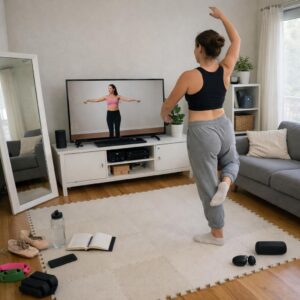
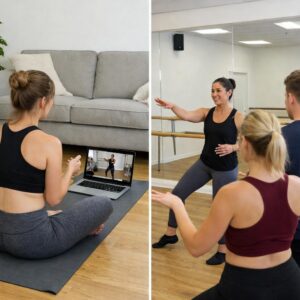
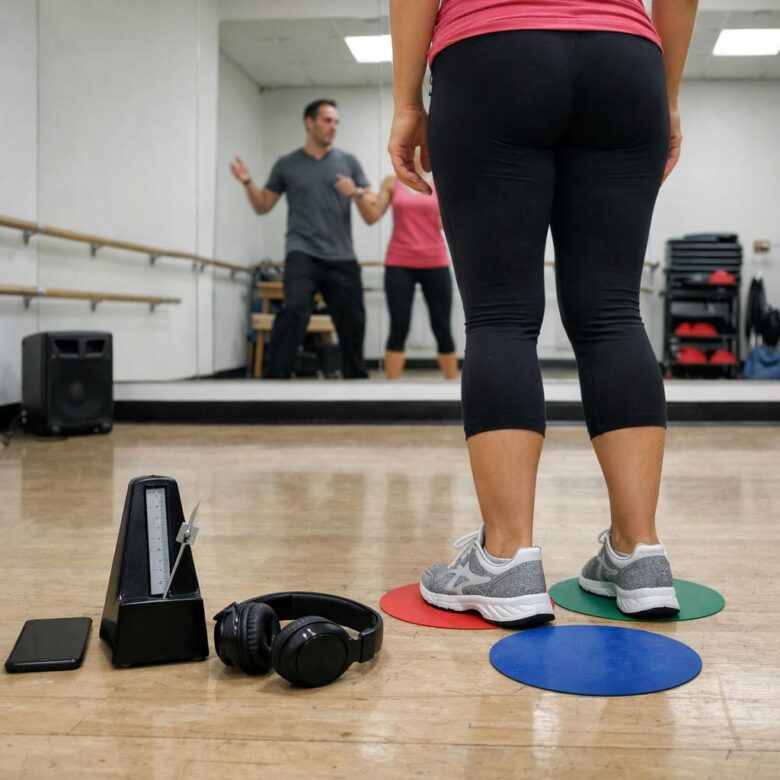
Useful tools include a metronome app, mirror practice, video recording, and platforms like YouTube or paid online dance classes for slow breakdowns. If you use a fitness tracker or smartwatch, the benefit is not just calorie tracking; it can help you notice tempo, stamina, and control during longer practice sessions. Private dance lessons cost more, but they can quickly reveal timing habits you may not catch alone.
How to Improve Dance Rhythm and Coordination: Counting, Footwork, and Isolation Drills That Work
Start by learning to count music in phrases, not just beats. Most dance music is built around 8-counts, so practice saying “1-2-3-4-5-6-7-8” while clapping on the strong beats, then step only on counts 1, 3, 5, and 7. A simple tool like Soundbrenner or a metronome app can help you hear timing clearly without guessing.
For coordination, separate the body before combining everything. In a beginner hip-hop or salsa class, I often see people lose rhythm because they try to move their feet, arms, hips, and head at once. Train one layer at a time: feet first, then add arms, then add body movement.
- Footwork drill: Step right-left-right-left to a slow track, keeping your weight fully over each foot before speeding up.
- Isolation drill: Move only your shoulders for 8 counts, then only your ribs, then only your hips.
- Mirror drill: Record yourself on your phone and check if your steps land with the beat, not slightly after it.
Use slower music before fast choreography. For example, if a TikTok dance or studio routine feels messy, reduce the playback speed on YouTube to 0.75x and mark the footwork without arms. This kind of rhythm training is low-cost, but it gives the same benefit many private dance lessons focus on: cleaner timing, better balance, and more controlled movement.
Advanced Musicality Strategies and Common Timing Mistakes That Hold Dancers Back
Once you can count basic beats, the next step is learning to hear layers in the music: drums, bass, vocals, accents, and pauses. A practical drill is to dance the same 8-count three ways: first to the kick drum, then to the melody, then only to the sharp accents. This builds musicality faster than simply repeating choreography because you start making intentional choices instead of copying movement.
One tool I often recommend is Soundbrenner, a metronome app that lets you practice tempo control without needing a full studio setup. You can set it to a slow BPM, mark your counts, and gradually increase speed as your coordination improves. This is especially useful for dancers taking online dance classes, private dance lessons, or preparing for auditions where timing issues become obvious quickly.
- Rushing transitions: Many dancers hit the big moves but move too early between them. Practice holding the “and” counts instead of sliding through them.
- Ignoring silence: Pauses are part of the rhythm. In hip-hop, salsa, and contemporary dance, a clean freeze can look more musical than extra steps.
- Counting without listening: If you only count numbers, your dancing may look correct but feel flat. Match movement texture to the sound quality.
A real-world example: in a salsa social, beginners often step on time but miss the break in the music, so their partner feels rushed. Recording yourself with a phone or wearable fitness device can reveal whether your weight changes land with the beat or slightly ahead of it. Small timing corrections often create the biggest improvement in confidence, connection, and overall dance quality.
The Bottom Line on How to Improve Your Rhythm and Coordination for Dancing
Better rhythm and coordination come from consistent, mindful practice-not natural talent alone. Choose one skill to improve first, such as staying on beat, isolating body movements, or transitioning smoothly, and practice it with music you enjoy.
If you feel stuck, slow the tempo, record yourself, or take a class where you can get feedback. The best approach is the one you can repeat regularly without frustration. Keep your practice simple, stay patient, and measure progress by how confidently your body responds to the music over time.

Dr. Adrian Miles is a movement wellness specialist focused on dance fitness, online dance learning, and healthy body movement. He creates practical content to help readers improve coordination, confidence, flexibility, and overall well-being through accessible dance-based routines.