Your first dance class can fall apart before the music even starts.
The wrong bag, missing stretch band, or forgotten accessory can turn a simple beginner session into a frustrating scramble.
Smart dance gear is not about looking professional on day one. It is about staying organized, warming up safely, protecting your feet, and walking into class with confidence.
This guide breaks down the essential dance bags, stretch bands, and beginner-friendly accessories that make training easier from the very first lesson.
Beginner Dance Bag Essentials: What to Pack for Class, Rehearsal, and Practice
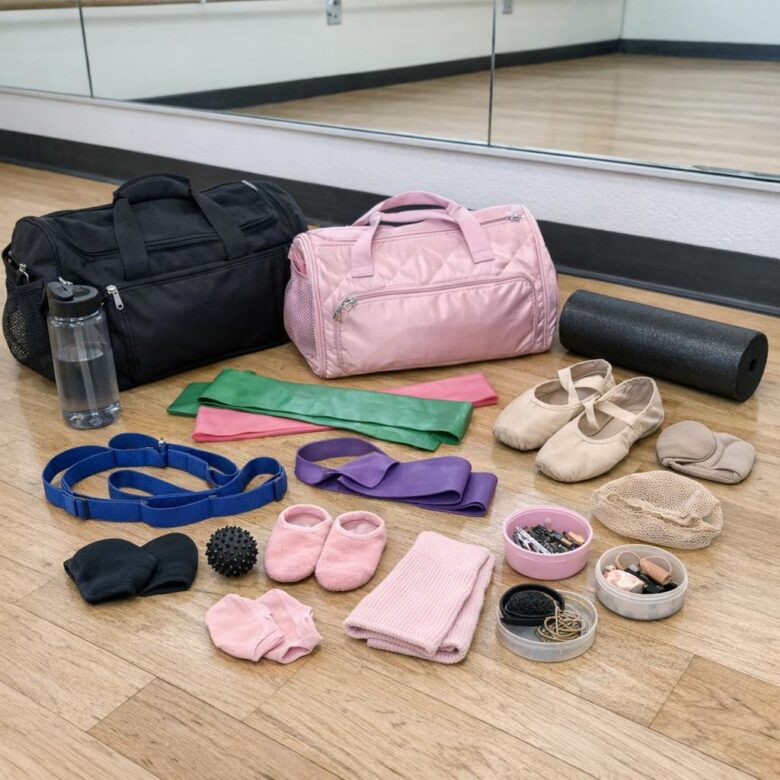
A good beginner dance bag should keep your gear clean, organized, and easy to grab between school, work, and class. Look for a lightweight dance duffel or backpack with a separate shoe compartment, water-resistant fabric, and small pockets for items like hair pins, blister pads, and your phone charger.
At minimum, pack the items you will actually use every session, not a bag full of “maybe” accessories. For example, a beginner going from office work to evening ballet class should carry a fresh leotard or fitted top, tights or leggings, ballet shoes, deodorant wipes, a refillable water bottle, and a small towel.
- Dancewear and shoes: Keep shoes in a breathable pouch to control odor and protect clean clothes.
- Recovery basics: Add a stretch band, mini massage ball, and blister care to support warm-ups and injury prevention.
- Daily tools: Use Google Calendar reminders for class times, rehearsal notes, and when to wash dancewear.
One practical tip from real studio life: always pack one backup hair tie and a small pack of safety pins. These cheap accessories often solve last-minute problems, especially before rehearsal photos, auditions, or beginner recital practice.
If you are comparing dance bag cost and features, prioritize durability over size. A medium bag with washable lining, strong zippers, and smart compartments is usually more useful than an oversized tote that turns into a cluttered pile after two classes.
How to Use Stretch Bands Safely to Improve Flexibility, Strength, and Control
Stretch bands are useful dance training tools, but they should support your technique-not force your body into positions it is not ready for. Choose a light to medium resistance band, such as a TheraBand, especially if you are a beginner or using it for physical therapy-style mobility work. If the band feels like it is pulling your joints instead of activating your muscles, the resistance is too strong.
Start with slow, controlled movements before deep stretching. For example, a beginner working on higher développés can loop the band around the foot while lying on the back, then gently extend and lower the leg without locking the knee. This builds strength, flexibility, and control at the same time, which is far more useful than yanking the leg higher for a photo.
- Check the band for small tears before every use to reduce injury risk.
- Keep your shoulders, hips, and knees aligned during each exercise.
- Stop if you feel sharp pain, numbness, or joint pressure.
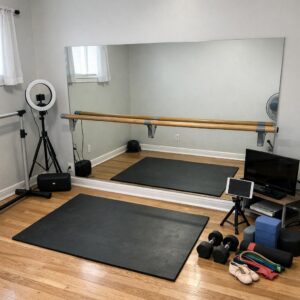
In studios, I often see dancers improve faster when they use bands for activation before class rather than aggressive stretching after they are tired. Simple ankle resistance exercises, turnout control drills, and hamstring mobility work can make ballet, jazz, and contemporary classes feel more stable. For home practice, pair your band with a yoga mat, a mirror, or guided online dance classes so you can monitor form and avoid building bad habits.
Common Dance Accessory Mistakes Beginners Should Avoid When Buying Gear
One of the biggest mistakes beginners make is buying dance accessories based only on price. A cheap stretch band, poorly padded dance bag, or slippery foot roller may cost less upfront, but it can lead to discomfort, faster replacement, or even minor injury during training.
Fit and function matter more than trendy colors. For example, a beginner carrying ballet shoes, a water bottle, resistance bands, and spare clothes to class needs a lightweight dance bag with compartments, not an oversized gym bag that makes everything hard to find between sessions.
- Skipping quality checks: Look for reinforced stitching, non-slip materials, and safe resistance levels before buying.
- Ignoring return policies: Platforms like Discount Dance are useful because sizing guides and returns can help avoid wasted money.
- Buying advanced gear too early: Turn boards, heavy resistance bands, or extreme stretching devices should not replace proper technique and teacher guidance.
Another common issue is choosing accessories without considering the dance style. A tap dancer may need a durable shoe brush and gear storage, while a beginner in contemporary dance may benefit more from a yoga mat, massage ball, and medium-resistance stretch band for warm-ups.
Beginners should also avoid buying medical-looking recovery tools without understanding how to use them. Foam rollers, massage balls, and compression accessories can support muscle recovery, but if pain continues, it is better to ask a dance teacher, sports physiotherapist, or qualified healthcare professional instead of guessing.
Key Takeaways & Next Steps
Choosing dance gear is less about buying everything at once and more about selecting items that support consistent, comfortable practice. A beginner should prioritize quality basics that solve real needs: carrying essentials, improving flexibility, staying organized, and preventing avoidable strain.
Practical takeaway: start with a reliable dance bag, a safe stretch band, and a few useful accessories, then upgrade as your training becomes more specific. If an item makes class easier, protects your body, or helps you prepare with confidence, it is worth considering. Buy thoughtfully, not excessively, and let your routine guide each decision.

Dr. Adrian Miles is a movement wellness specialist focused on dance fitness, online dance learning, and healthy body movement. He creates practical content to help readers improve coordination, confidence, flexibility, and overall well-being through accessible dance-based routines.