What if the workout you actually enjoy burns more fat than the one you force yourself to finish?
When it comes to weight loss, the best cardio isn’t always the hardest-looking option-it’s the one that helps you burn calories consistently without dreading every session.
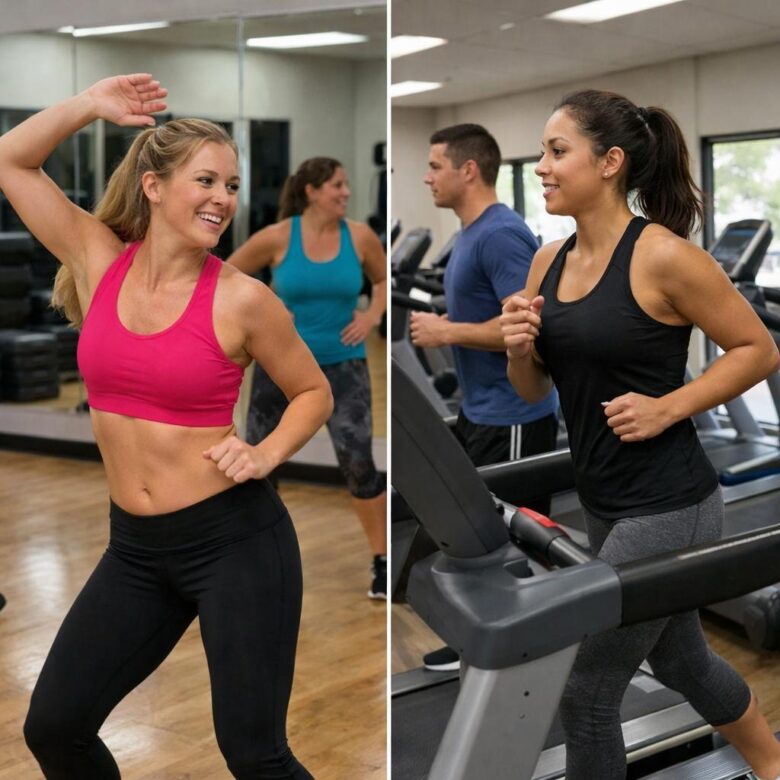
Dance fitness and traditional cardio both can support fat loss, improve endurance, and boost heart health, but they work differently on motivation, intensity, muscle engagement, and long-term adherence.
In this guide, we’ll compare dance fitness vs. traditional cardio so you can choose the smarter, more sustainable path for your weight-loss goals.
Dance Fitness vs. Traditional Cardio: Calories Burned, Fat Loss, and Workout Intensity Explained
For weight loss, the best workout is usually the one you can repeat consistently while keeping your heart rate elevated. Traditional cardio like treadmill running, cycling, rowing, or elliptical training often makes intensity easier to measure because you can track speed, resistance, distance, and heart rate zones on gym equipment or a fitness tracker such as Fitbit.
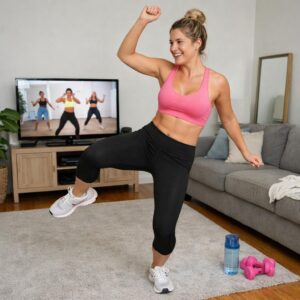
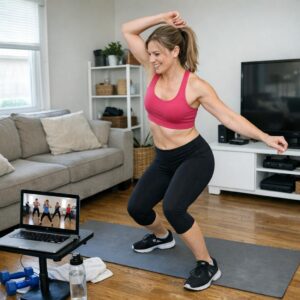
Dance fitness, including Zumba, hip-hop cardio, and online dance workout classes, can still burn a serious amount of calories, especially when the class uses full-body moves, squats, jumps, and fast transitions. In real-world terms, a 45-minute dance fitness class where you stay moving with minimal breaks may feel easier than running, but your heart rate can still sit in a fat-burning or cardio zone for much of the session.
- Traditional cardio: better for controlled calorie tracking, endurance training, and progressive overload.
- Dance fitness: better for motivation, coordination, stress relief, and workout adherence.
- Fat loss: depends more on weekly consistency, nutrition, and total calorie deficit than the workout style alone.
A practical approach is to use a heart rate monitor or app like Apple Fitness+ to compare effort instead of guessing. If your dance session keeps you in a moderate-to-vigorous zone and you enjoy it enough to show up three or four times a week, it may outperform a “better” cardio machine you rarely use.
The key is intensity management. Add higher-effort songs, reduce long rest periods, and track workout duration to make dance fitness more effective for weight loss without making it feel like punishment.
How to Choose the Better Weight Loss Workout Based on Your Fitness Level, Schedule, and Motivation
The better weight loss workout is the one you can repeat consistently without dreading it. If you are new to exercise, dance fitness is often easier to start because the sessions feel less clinical and more like a guided class, while traditional cardio may suit you better if you like clear numbers such as pace, distance, calories burned, and heart rate zones.
Look at your current fitness level first. Beginners with joint sensitivity may prefer low-impact dance cardio or walking workouts, while someone already comfortable with gym equipment may get faster structure from treadmill intervals, cycling, rowing, or elliptical training.
- Choose dance fitness if music, variety, and group energy keep you motivated.
- Choose traditional cardio if you like measurable progress, fitness tracking apps, and structured training plans.
- Combine both if your goal is fat loss without boredom or burnout.
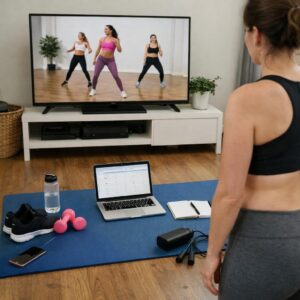
Your schedule matters, too. For example, a busy parent may do a 25-minute YouTube dance workout at home before school drop-off, while someone with a gym membership might prefer 30 minutes on a stationary bike during lunch because it is predictable and easy to track.
For better accountability, use a wearable fitness tracker such as Fitbit, Apple Watch, or Garmin to monitor heart rate, workout duration, and weekly activity trends. These devices are not required, but they can help you compare the real benefits of dance fitness versus cardio machines instead of guessing based on sweat alone.
If motivation is your biggest obstacle, start with the workout that feels less like punishment. Weight loss depends heavily on adherence, so the lowest-cost, most effective option is usually the one you will still be doing next month.
Common Mistakes That Limit Weight Loss Results in Dance Fitness and Cardio Workouts
One of the biggest mistakes is treating every workout as “enough” without checking intensity. In dance fitness, it is easy to enjoy the music and movement but spend most of the class below a fat-burning or moderate cardio zone, while traditional cardio users often stay at the same treadmill speed for weeks.
A heart rate monitor or fitness tracker can help you see what is actually happening. Tools like Fitbit, Apple Watch, or a calorie tracking app such as MyFitnessPal are useful because weight loss depends on both workout quality and daily energy balance.
- Overestimating calories burned: A high-energy dance class may feel intense, but the calorie cost can vary based on body weight, effort, and rest periods.
- Ignoring nutrition: Extra snacks, sugary drinks, or large “post-workout” meals can erase the calorie deficit created by cardio exercise.
- Skipping strength training: Relying only on cardio may limit muscle retention, which matters for metabolism and long-term weight management.
A real-world example: someone may attend three Zumba classes per week but still see no progress because they reward each session with a smoothie, muffin, and latte afterward. The workout helped, but the total cost in calories was higher than expected.
Another common issue is lack of progression. Whether you choose dance workouts, cycling, rowing, or treadmill cardio, gradually increasing duration, resistance, pace, or class difficulty gives your body a reason to keep adapting.
Final Thoughts on Dance Fitness vs. Traditional Cardio: Which Is Better for Weight Loss?
The better choice for weight loss is the one you can sustain consistently. Traditional cardio may offer more predictable calorie control, while dance fitness can make exercise feel less like a chore and more like something you look forward to.
If you enjoy structure, measurable progress, and steady intensity, choose traditional cardio. If motivation, fun, and long-term adherence are your biggest challenges, dance fitness may be the smarter option. For many people, the best strategy is combining both: use cardio for targeted conditioning and dance workouts to stay active, energized, and consistent.

Dr. Adrian Miles is a movement wellness specialist focused on dance fitness, online dance learning, and healthy body movement. He creates practical content to help readers improve coordination, confidence, flexibility, and overall well-being through accessible dance-based routines.