You don’t need a mirrored studio to become a better dancer-you need the right style to start with.
Some dance styles adapt beautifully to small spaces, solo practice, and online lessons, while others demand partners, sprung floors, or advanced technique too early.
The best at-home dance styles build rhythm, coordination, confidence, and fitness without requiring expensive equipment or a professional setup.
In this guide, you’ll discover which styles are most practical to learn at home-and how to choose the one that fits your space, goals, and personality.
What Makes a Dance Style Easy to Learn at Home Without a Studio?
An easy dance style for home learning has clear, repeatable movements that do not require a large space, a sprung floor, or a partner. Styles with simple footwork, steady rhythm, and low injury risk are usually better for beginners than techniques that depend heavily on jumps, lifts, or advanced flexibility.
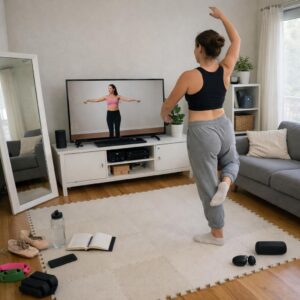
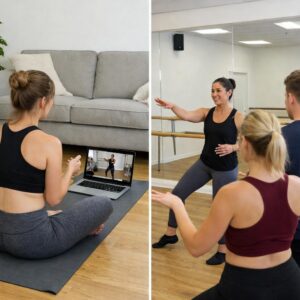
The best options also work well with video-based learning. If you can follow the instructor from a front-facing camera angle on YouTube, a fitness app, or online dance classes on a smart TV, you are more likely to practice consistently and correct mistakes faster.
- Small-space friendly: You should be able to practice in a bedroom, living room, or garage without moving furniture every time.
- Low equipment cost: Comfortable shoes, a yoga mat, a mirror, and a phone tripod are usually enough.
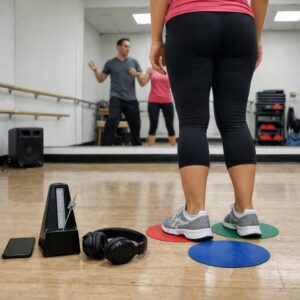
- Easy to self-check: The style should let you compare your posture, timing, and arm placement using a mirror or recorded video.
For example, a beginner learning hip-hop grooves at home can record a 30-second routine on a smartphone, watch it back, and adjust timing or body control. That kind of feedback is harder with ballet turns or partner salsa patterns, where technique and spacing often need in-person correction.
A practical home dance style should also fit your fitness level and schedule. If a routine doubles as a beginner dance workout, supports weight loss goals, and feels enjoyable enough to repeat after work, it has a much better chance of becoming a long-term habit.
Best At-Home Dance Styles for Beginners: Hip-Hop, Salsa, K-Pop, Contemporary, and More
The best dance style to learn at home is the one that fits your space, music taste, and fitness goals. For most beginners, hip-hop is a smart starting point because it teaches rhythm, coordination, and confidence without needing a partner or expensive dance equipment.
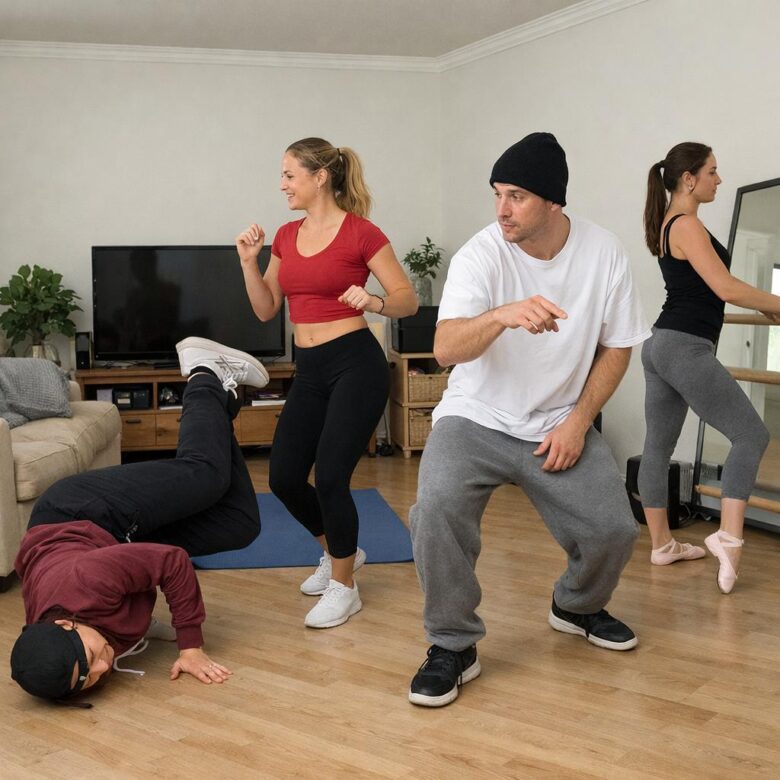
Salsa is excellent if you want social dance skills, but practice the basic step, side step, and turns slowly before adding speed. A real-world example: if you only have a small apartment living room, salsa footwork or K-pop chorus sections are easier to manage than big traveling contemporary combinations.
- Hip-hop: Best for cardio, musicality, and learning from online dance classes on platforms like STEEZY Studio or YouTube.
- K-pop: Great for motivation because routines are song-based, but use mirrored tutorials and slow playback to avoid sloppy habits.
- Contemporary: Ideal for flexibility, control, and expression, though you may want a yoga mat or soft flooring for floorwork.
Latin styles such as bachata, merengue, and salsa work well for beginners because the basic patterns repeat often. If your goal is weight loss, dance fitness, or low-cost home workouts, Zumba-style classes can be more practical than technical choreography.
One useful tip from real practice: record yourself on your phone once a week, not every session. Watching short clips helps you spot timing issues, posture problems, and uneven arm movements without turning practice into a stressful performance.
Common Mistakes to Avoid When Practicing Dance at Home
One of the biggest mistakes is dancing on the wrong floor. Tile, concrete, or thick carpet can limit movement and increase joint strain, especially for styles like hip hop, salsa, or contemporary dance. If you practice often, consider a portable dance mat, supportive dance sneakers, or shock-absorbing home workout flooring to make training safer.
Another common issue is copying online dance tutorials without checking your technique. Platforms like YouTube are useful, but a mirror, tripod, or phone recording can help you spot problems with posture, timing, and weight transfer. For example, many beginners practicing shuffle dance at home drag their feet too hard, which looks heavy and can cause ankle fatigue.
- Skipping warm-ups: Start with 5-10 minutes of mobility work to reduce injury risk.
- Practicing in a cramped space: Clear furniture and check ceiling height before turns, jumps, or arm styling.
- Ignoring footwear: Socks may feel smooth, but they can be slippery on wood or laminate floors.
Avoid relying only on fast choreography videos. Slow drills, beginner online dance classes, and paid dance training apps often provide better structure, especially if you want steady progress without a studio membership. Quality instruction may cost more than free clips, but it can save time and help prevent bad habits.
Finally, do not practice through pain. Muscle fatigue is normal, but sharp knee, hip, or lower-back pain is a warning sign. Rest, adjust your technique, or choose a lower-impact dance style until your body feels ready again.
The Bottom Line on Best Dance Styles to Learn at Home Without a Studio
The best dance style to learn at home is the one you can practice consistently, safely, and enjoy enough to repeat. If you want fitness, choose high-energy styles; if you want control and confidence, start with beginner-friendly grooves, footwork, or body isolation.
- Pick one style for 3-4 weeks before switching.
- Use short sessions and track visible progress.
- Prioritize clear instruction, space, and injury-free movement.
A studio can refine your technique later, but your foundation begins with regular practice at home.

Dr. Adrian Miles is a movement wellness specialist focused on dance fitness, online dance learning, and healthy body movement. He creates practical content to help readers improve coordination, confidence, flexibility, and overall well-being through accessible dance-based routines.