What if your easiest workout didn’t feel like exercise at all?
Low-impact dance gives beginners and busy adults a joint-friendly way to build stamina, improve coordination, and lift mood-without jumping, heavy equipment, or long gym sessions.
With simple steps, controlled movement, and music that keeps you engaged, it can fit into a lunch break, a living room routine, or a gentle comeback after time away from fitness.
This guide will help you start safely, move with confidence, and turn short dance sessions into a habit your body actually looks forward to.
What Makes Low-Impact Dance Exercise Ideal for Beginners and Busy Adults?
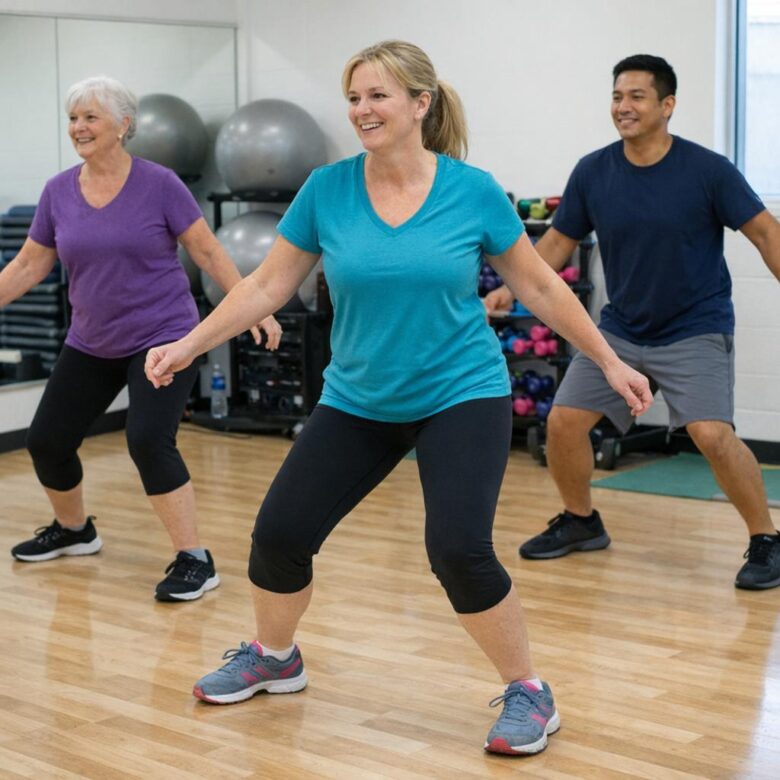
Low-impact dance exercise is beginner-friendly because it removes the biggest barrier to fitness: feeling like you have to be “in shape” before you start. The movements are usually gentle on the knees, hips, and lower back, making them a smart option for people managing joint pain, returning after a break, or trying to avoid high-impact cardio workouts.
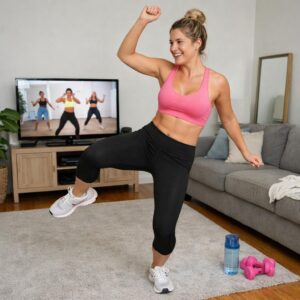
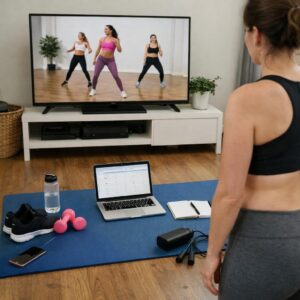
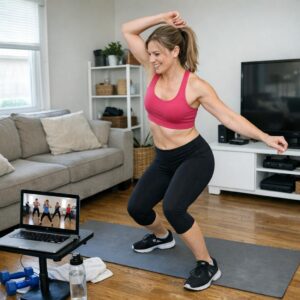
For busy adults, the real benefit is convenience. You can get a solid home workout in 10 to 20 minutes without expensive gym equipment, and platforms like YouTube, FitOn, or Apple Fitness+ make it easy to follow guided routines from your living room.
- Low setup cost: comfortable shoes, a small space, and optional fitness tracker are usually enough.
- Flexible intensity: you can slow down steps, skip jumps, or add arm movements for more calorie burn.
- Better consistency: music makes exercise feel less like a chore, which helps you stick with it.
A practical example: someone working from home can do a 15-minute salsa-inspired low-impact routine between meetings instead of skipping exercise entirely. I’ve seen beginners stay more consistent with dance workouts than traditional treadmill sessions because the focus shifts from “working out” to simply moving with rhythm.
It also pairs well with simple fitness devices like a smartwatch or heart rate monitor if you want to track workout intensity, calories burned, and weekly progress. That makes low-impact dance a realistic fitness solution-not just for weight management, but for energy, mobility, and long-term cardiovascular health.
How to Build a 10-Minute Low-Impact Dance Workout at Home
A good 10-minute low-impact dance workout should feel simple enough to start, but structured enough to raise your heart rate safely. Use a timer on Fitbit, Apple Watch, or a free interval timer app so you are not guessing when to change moves. If you live in an apartment, choose steps that keep one foot on the floor to reduce noise and joint stress.
Start with two minutes of gentle warm-up: side steps, shoulder rolls, arm swings, and easy hip taps. Then move into six minutes of steady cardio dance using low-impact moves such as grapevines, step-touch with arm reaches, knee lifts, heel digs, and slow salsa steps. Finish with two minutes of cool-down, including slow marching, calf stretches, and deep breathing.
- Minutes 0-2: Warm up with side steps and light arm movements.
- Minutes 2-8: Repeat 3-4 beginner dance moves for 30-45 seconds each.
- Minutes 8-10: Cool down and stretch your calves, hips, and shoulders.
For example, a busy parent working from home could do this between meetings using a YouTube playlist, wireless earbuds, and supportive walking shoes. In real life, the biggest mistake is choosing choreography that is too fast; you get frustrated before you get consistent. Pick music around a comfortable tempo, keep the movements small at first, and increase arm motion when you want more intensity without adding jumps.
Common Low-Impact Dance Mistakes That Reduce Results or Cause Discomfort
One of the biggest mistakes beginners make is treating “low-impact” as “no effort.” If your steps are too small, your posture is collapsed, or your arms barely move, your calorie burn and cardiovascular benefits drop quickly. A simple fix is to use a fitness tracker like Fitbit or an Apple Watch to monitor your heart rate and make sure you are working in a comfortable but active zone.
Another common issue is dancing on the wrong surface. Tile, concrete, or a slippery rug can increase foot, knee, and lower-back discomfort, especially during side steps or gentle turns. In real-world home workouts, I’ve seen people feel much better simply by switching to supportive cross-training shoes and using a non-slip exercise mat instead of dancing barefoot on hard flooring.
- Skipping the warm-up: Start with 3-5 minutes of marching, shoulder rolls, and easy step-touches before increasing tempo.
- Copying advanced routines too soon: Online dance classes on YouTube or Apple Fitness+ can be useful, but choose beginner or joint-friendly options first.
- Ignoring pain signals: Muscle effort is normal; sharp knee, hip, or ankle pain is not. Modify the move or stop.
Many busy adults also make the mistake of doing long sessions inconsistently instead of short sessions regularly. Ten focused minutes after work or during a lunch break can be more sustainable than one exhausting 45-minute routine per week. For better results, keep movements controlled, wear proper footwear, and choose low-impact dance workouts that match your current mobility, balance, and fitness level.
The Bottom Line on Low-Impact Dance Exercises for Beginners and Busy Adults
Low-impact dance works best when it feels sustainable, not punishing. Choose movements that protect your joints, fit your schedule, and leave you energized enough to return tomorrow.
- If you are new: start with 10-15 minutes and build gradually.
- If you are busy: use short sessions as movement breaks, not another chore.
- If something hurts: modify, slow down, or switch routines.
The right choice is the one you can repeat consistently. Enjoy the music, respect your body, and let progress come from showing up often.

Dr. Adrian Miles is a movement wellness specialist focused on dance fitness, online dance learning, and healthy body movement. He creates practical content to help readers improve coordination, confidence, flexibility, and overall well-being through accessible dance-based routines.