Think you’re “too awkward” to learn dance online? That belief usually disappears the moment you follow the right beginner-friendly plan.
Online dance lessons can be one of the easiest ways to start because you can learn privately, replay steps, slow things down, and practice without feeling judged.
But random tutorials can also waste your time if you don’t know where to begin, what style to choose, or how to build coordination from zero.
This guide shows you how to learn dance online as a complete beginner-step by step, with realistic practice tips, smart class choices, and a simple path from stiff first moves to confident dancing.
What Complete Beginners Need Before Learning Dance Online
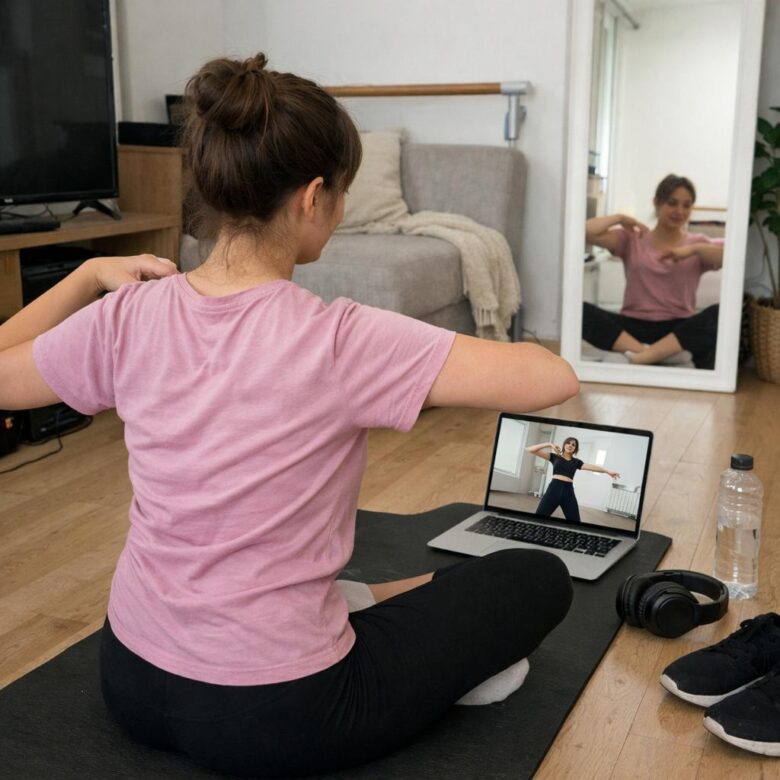
Before you start any online dance classes, set up a space where you can move safely and see your full body. You do not need a home dance studio, but you do need enough room to step forward, turn, and extend your arms without hitting furniture. A living room, bedroom corner, or garage can work well if the floor is clean and not too slippery.
The most useful beginner setup is simple: a phone or laptop, stable internet, comfortable clothes, and shoes that match the dance style. For example, if you are learning hip hop through YouTube or a paid dance subscription, supportive sneakers are better than socks because they reduce slipping and protect your knees during repeated footwork.
- Device: A laptop, tablet, or smart TV helps you see movement details better than a small phone screen.
- Mirror or camera: Recording yourself makes it easier to compare your timing, posture, and arm placement.
- Safe flooring: Avoid thick carpet for turns and avoid hard tile if your routine includes jumps.
Beginners often overlook sound quality, but it matters. A Bluetooth speaker or wireless earbuds can help you hear the beat clearly, especially when practicing rhythm, counts, and musicality. If you plan to take live dance lessons on Zoom, place your camera at waist height so the instructor can see your feet and upper body.
Finally, choose a realistic schedule before buying any online dance course. Two or three focused 30-minute sessions per week usually work better than one long practice that leaves you sore and discouraged.
How to Build a Simple Online Dance Practice Routine at Home
Start with a routine you can repeat, not one that looks impressive on day one. For most beginners, 25 to 35 minutes is enough: a short warm-up, one focused lesson, slow practice, then a quick cool-down. This keeps your home dance workout realistic, especially if you are learning after work or between family responsibilities.
Choose one main platform and stick with it for a few weeks so you do not keep switching styles. For example, you might use YouTube for free beginner hip-hop tutorials, or a paid online dance class subscription if you want structured lessons, progress tracking, and fewer ads. Watching on a smart TV or tablet is usually easier than using a phone because you can see footwork and posture clearly.
- 5 minutes: warm up with neck rolls, shoulder circles, hip mobility, and light steps.
- 15-20 minutes: learn one short combination or repeat one beginner dance lesson.
- 5-10 minutes: record yourself, review one mistake, then stretch.
A real-world example: if you are learning a TikTok-style routine, do not run the full choreography ten times at full speed. Practice the first eight counts slowly, use the playback speed setting, then add the next section only when your timing feels steady. This is how beginners avoid building bad habits.
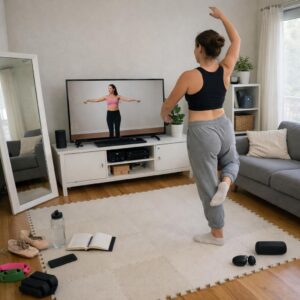
Set up your space like a small home fitness studio: clear the floor, use supportive shoes if needed, add a Bluetooth speaker, and place a mirror or camera where you can check alignment. Good lighting helps more than people expect. You will notice arm lines, balance issues, and timing mistakes much faster.
Common Beginner Mistakes to Avoid When Taking Online Dance Classes
One of the biggest mistakes beginners make is choosing a class that is too advanced because it looks more exciting. A fast hip-hop combo on Steezy or YouTube may be fun to watch, but if you cannot follow the basic counts, you will build sloppy habits and lose confidence quickly.
Another common issue is practicing in a poor setup. You do not need an expensive home dance studio, but you do need enough floor space, good lighting, and a device placed where you can see the instructor clearly without twisting your neck.
- Use a full-length mirror or record yourself on your phone to check posture and timing.
- Wear supportive sneakers or proper dance shoes to reduce slipping and joint strain.
- Check the class level, style, and lesson length before paying for a dance subscription.
Many beginners also skip warm-ups because they want to “get to the real dancing.” That shortcut often leads to tight hips, sore knees, or minor injuries, especially when learning styles like ballet, heels, or K-pop choreography at home.
A real-world example: if you are learning salsa online, do not spend the whole session copying arm styling before your basic step feels natural. Focus on footwork, rhythm, and weight transfer first, then add styling once your movement is stable.
Finally, avoid jumping between too many online dance programs at once. Pick one course, fitness app, or instructor for a few weeks so you can track progress, understand the teaching style, and get better value from the monthly cost.
Closing Recommendations
Learning dance online works best when you treat it like a simple, repeatable practice-not a performance test. Choose one beginner-friendly style, follow a structured course, and give yourself time to build coordination, rhythm, and confidence.
- If you feel overwhelmed: start with short lessons and repeat them often.
- If you want faster progress: record yourself and compare your movement to the instructor.
- If motivation drops: pick music you enjoy and set a realistic weekly schedule.
The right choice is the program you can stick with consistently. Small, regular practice will take you further than perfect conditions ever will.

Dr. Adrian Miles is a movement wellness specialist focused on dance fitness, online dance learning, and healthy body movement. He creates practical content to help readers improve coordination, confidence, flexibility, and overall well-being through accessible dance-based routines.