Your first dance class outfit can either help you move-or make every step feel harder.
What you wear affects your confidence, comfort, posture, balance, and even how clearly your instructor can see your technique.
The good news: you do not need expensive dancewear or a perfect “dancer look” to start. You need clothes that let you breathe, bend, sweat, and move safely.
This beginner guide breaks down exactly what to wear to your first dance class, including the best shoes, fabrics, fit, and style tips for different dance types.
Dance Class Clothing Basics: What Beginners Need for Comfort, Movement, and Confidence
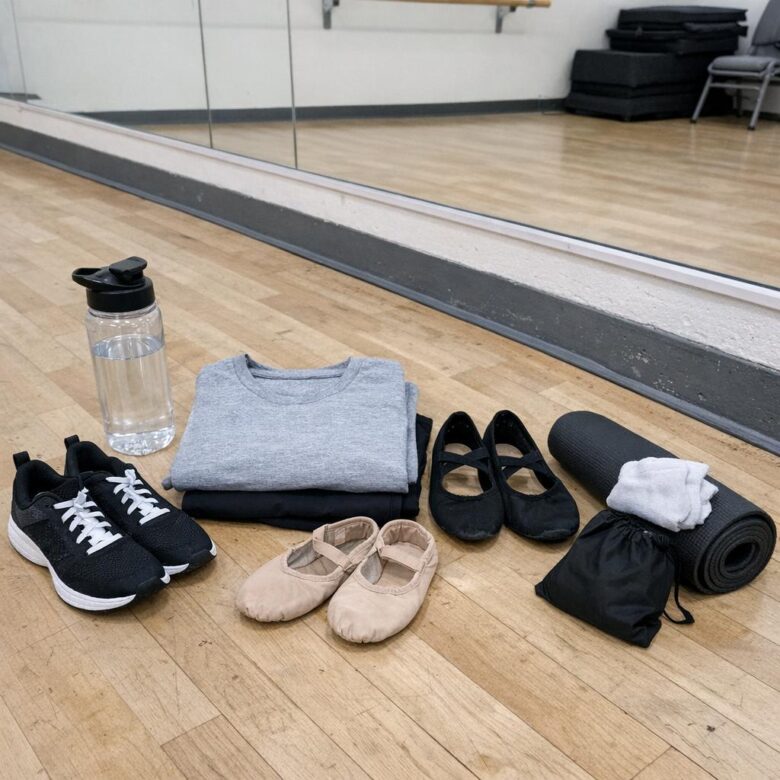
Your first dance class outfit should let you bend, stretch, turn, and sweat without constant adjusting. A safe choice is fitted but breathable activewear: leggings or joggers, a moisture-wicking T-shirt or tank, and supportive undergarments such as a sports bra if needed.
Avoid anything too baggy, slippery, or restrictive. In beginner classes, teachers need to see your posture, knees, hips, and foot placement, especially in ballet, jazz, contemporary, or Latin dance. I’ve seen new students struggle more with oversized sweatpants than with the actual steps because the fabric hid their alignment and caught during turns.
- Top: breathable athletic shirt, fitted tank, or lightweight long sleeve.
- Bottom: stretch leggings, dance tights, joggers, or fitted shorts over tights.
- Support: comfortable sports bra, seamless underwear, and layers for warm-up.
Check the studio’s dress code before buying new dancewear. Platforms like ClassPass often list class descriptions and studio requirements, while brand size guides from dance shoe retailers can help you avoid ordering shoes that pinch or slide.
For example, if you are taking a beginner hip-hop class, clean sneakers, joggers, and a flexible T-shirt usually work well. For ballet, you may need ballet slippers, tights, and a leotard or fitted top. The goal is not to look professional on day one; it is to feel secure enough to move fully and focus on learning.
How to Choose Your First Dance Class Outfit by Dance Style, Studio Dress Code, and Shoe Requirements
Start with the dance style, then check the studio dress code before buying anything. Ballet usually needs fitted clothing so the teacher can see alignment, while hip-hop, salsa, and beginner dance fitness classes allow more relaxed activewear. If the studio uses Mindbody or another online booking platform, look for class notes there because shoe rules and required dancewear are often listed before checkout.
For your first class, choose clothes that let you move without constant adjusting. A fitted top with leggings works well for ballet, jazz, contemporary, and barre, while joggers or breathable athletic shorts are better for hip-hop. In partner dances like ballroom or bachata, avoid slippery sleeves, bulky hoodies, or jewelry that can catch on someone’s hand.
- Ballet or barre: leggings, fitted top, ballet slippers or clean socks if allowed.
- Hip-hop: supportive sneakers, joggers, moisture-wicking shirt, no outdoor muddy soles.
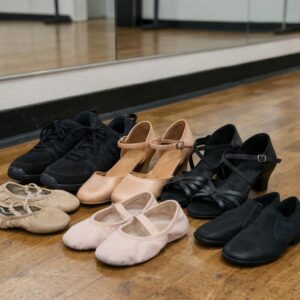
- Salsa or ballroom: low-heel dance shoes, flexible flats, or smooth-soled shoes for easier turns.
Shoes matter more than beginners expect. I’ve seen new students struggle in running shoes during salsa because the rubber grip blocks turns and strains the knees. If you are unsure, call the studio before class; it can save you the cost of buying the wrong dance shoes.
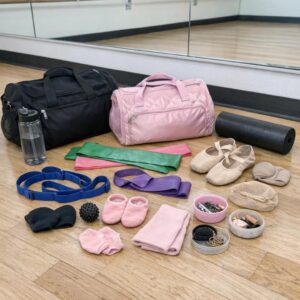
Also consider practical details like parking, changing rooms, and whether you are going straight from work. A simple gym bag with deodorant, a water bottle, spare socks, and a light layer makes your first dance lesson much more comfortable without overpacking.
First Dance Class Outfit Mistakes to Avoid: Fabrics, Fit, Footwear, and Accessories
The biggest beginner mistake is wearing clothes that look “dancey” but do not move well. Avoid stiff denim, thick cotton hoodies, slippery satin, or anything that traps sweat; moisture-wicking activewear, breathable leggings, and fitted training tops are better for comfort, visibility, and injury prevention.
Fit matters more than style. If your pants are too long, the hem can catch under your heel during turns; if your top is too loose, your instructor cannot see your posture, shoulder alignment, or core engagement. In a real beginner salsa class, I have seen students spend half the lesson pulling up oversized joggers instead of practicing footwork.
- Footwear: Do not wear outdoor sneakers with heavy grip, flip-flops, or fashion boots. Choose clean indoor sneakers, ballet slippers, jazz shoes, or proper dance shoes depending on the class.
- Accessories: Skip dangling earrings, long necklaces, smartwatches with loose bands, and sharp rings. They can snag clothing or scratch a partner.
- Fabric choice: Look for stretch blends, light compression, and breathable materials instead of heavy cotton that becomes wet and uncomfortable.
If you are unsure, check the studio’s dress code before buying anything expensive. Platforms like ClassPass often list class details and studio requirements, while dancewear brands such as Bloch or Capezio provide shoe guides that help you compare cost, fit, and support before your first lesson.
Final Thoughts on What to Wear to Your First Dance Class: Complete Beginner Guide
Your first dance class is not about looking perfect; it is about feeling free enough to move, learn, and enjoy the experience. Choose clothing that lets you stretch, bend, sweat, and focus without constant adjustment.
- If you are unsure, keep it simple: fitted layers, breathable fabric, and secure footwear.
- If the class has a dress code, follow it: it supports safety, technique, and teacher feedback.
- If you feel comfortable and confident, you chose well: that matters more than trends.
Wear what helps you participate fully, then let the dancing take the spotlight.

Dr. Adrian Miles is a movement wellness specialist focused on dance fitness, online dance learning, and healthy body movement. He creates practical content to help readers improve coordination, confidence, flexibility, and overall well-being through accessible dance-based routines.