Dance Workout for Seniors at Home: A Gentle 15-Minute Plan
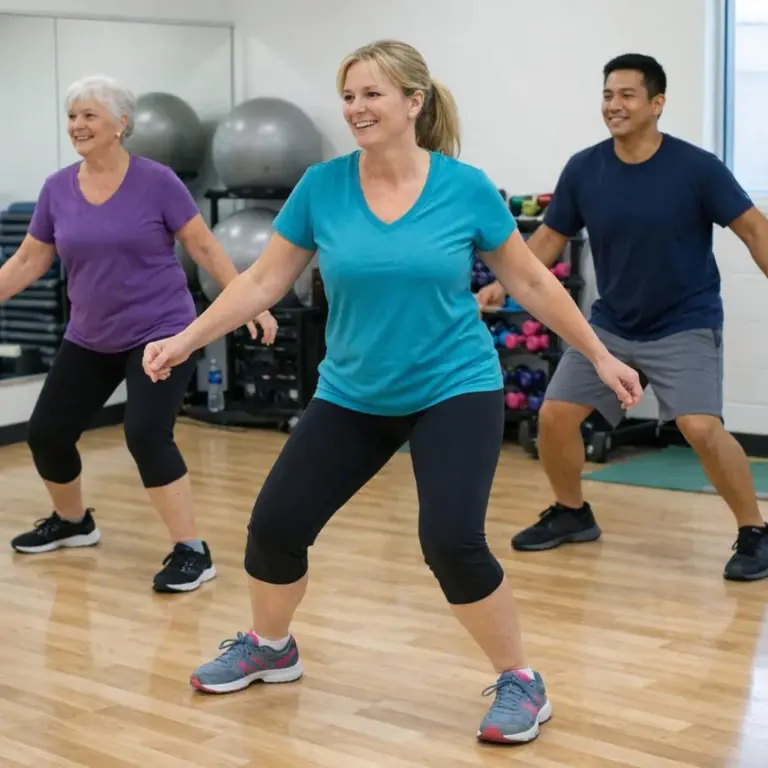
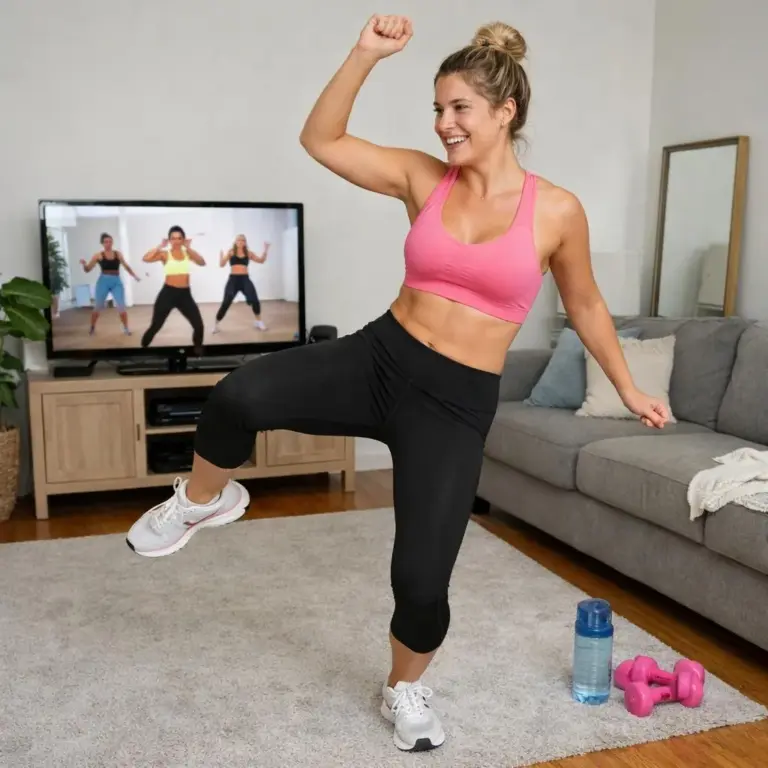
A good dance workout for seniors at home is gentle, low impact, and easy to adjust. Think marching, side steps, and arm movements to music you enjoy, with a sturdy chair close by. You can do the routine below standing or seated, and you can stop at any point. It uses no jumps, no fast turns, and no equipment.
This is general information and does not replace medical advice from a professional. If you have a heart condition, a recent fall, joint replacement, dizziness, or any other health concern, ask your doctor or physical therapist what is suitable before you start.
Why dance can suit older adults
Dancing counts as aerobic activity, and many people find music makes moving easier to enjoy. The Physical Activity Guidelines for Americans advise older adults to do multicomponent activity that includes balance training along with aerobic and muscle-strengthening work, as their abilities allow. A dance session can cover part of that. It is not a complete fitness plan, and it does not guarantee any particular result.
Check your room first
- Move rugs, cords, and low furniture out of your path.
- Use a dry, level floor with good lighting.
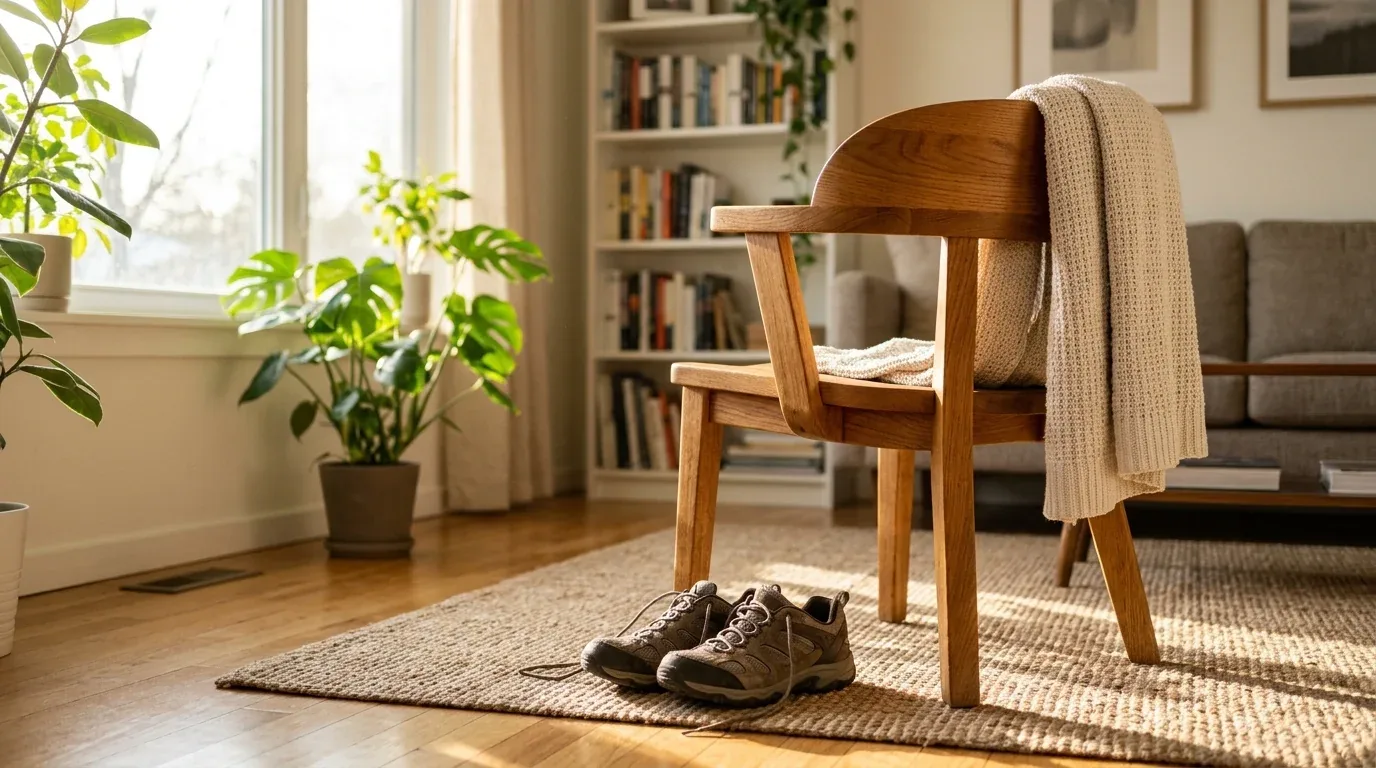
- Place a sturdy chair that will not slide next to you, ideally against a wall or kitchen counter.
- Wear well-fitting shoes with a secure back. Avoid socks on smooth floors and loose slippers.
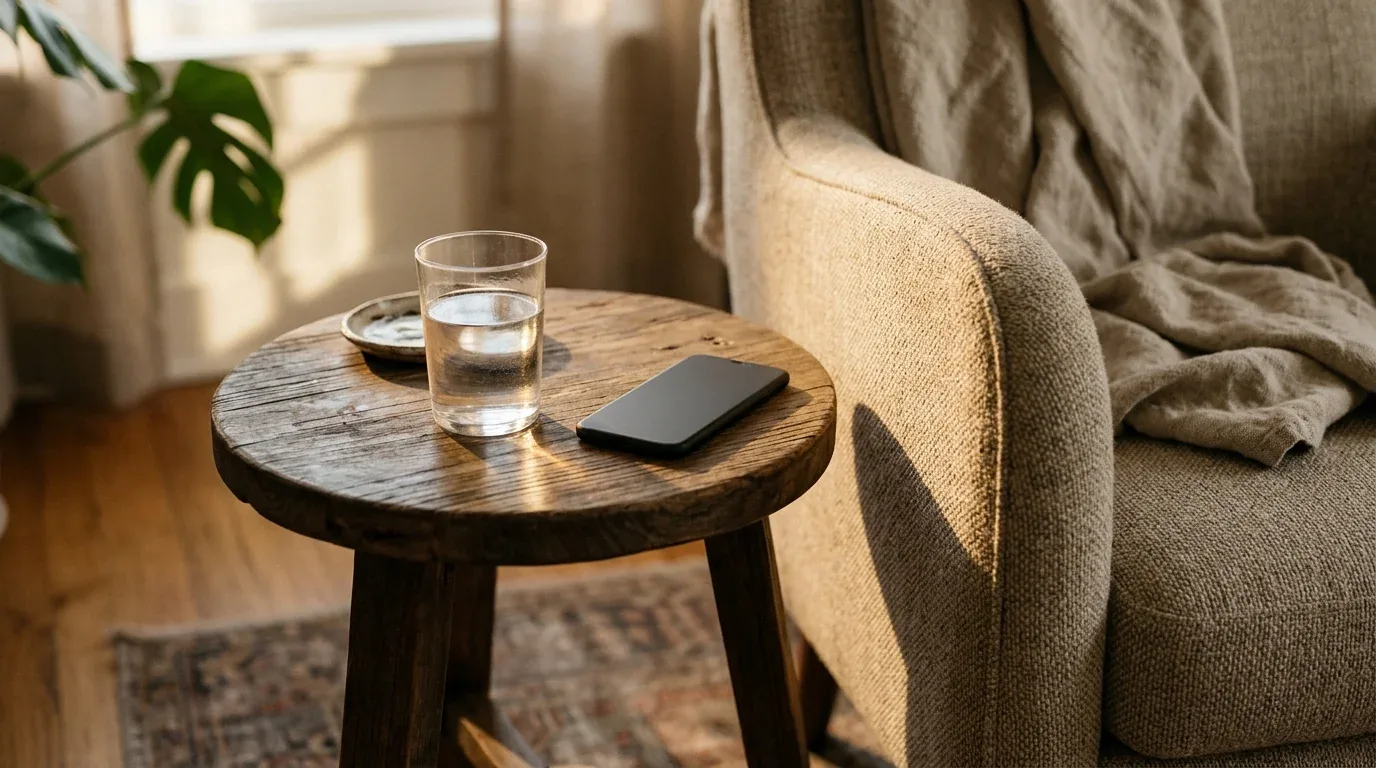
- Keep water and a phone within reach.
Better Health Channel lists floor conditions and nearby obstacles among the factors that can contribute to dance injuries, so these few minutes of setup are worthwhile.
A gentle 15-minute routine
This is a suggested routine and not a tested program. Choose three or four songs at a comfortable pace.
| Time | Standing version | Seated version |
|---|---|---|
| 3 min warm-up | Slow marching, shoulder rolls | Seated marching, shoulder rolls |
| 3 min | Side steps, holding the chair if needed | Tap feet out to the sides |
| 3 min | Heel digs forward, with arm reaches | Heel taps with arm reaches |
| 3 min | Step-touch with claps | Knee lifts and claps |
| 3 min cool-down | Slow marching, gentle breathing | Slow arm circles, gentle breathing |
The American Heart Association recommends warming up and cooling down around aerobic exercise with a slower version of the activity, and you can take more time for these stages if you like. If 15 minutes is too much, do one song. If that is too much, sit and move your arms to the beat. All of it counts as a start.
How to do each step
Side step
Step your right foot out, bring your left foot to meet it, and reverse. Keep steps small. Rest one hand on your chair if you want support.
Heel dig
Place one heel a short distance in front of you, with your toes up. Return it and switch. Keep your weight on the standing leg, and hold the chair if needed.
Step-touch
Step right, then tap your left foot beside it. Step left, then tap your right foot. Add a small clap if you feel steady.
Knee lift
Lift one knee a comfortable height and lower it. A small lift is fine. There is no need to reach your hands.
How hard should it feel?
Use the talk test. The CDC explains that at moderate intensity you can talk but not sing. For a gentle start, you should be able to speak in full sentences. Slow down if you become breathless. You do not need to reach any specific effort on your first day, and a slow session is still a useful one.
When to stop
Stop right away and sit down if you feel dizzy, unsteady, or sick, or if a movement hurts. Call emergency services for chest pain or pressure, severe shortness of breath, or fainting. If pain in a joint continues after you stop, ask a healthcare professional before dancing again. The National Institute of Diabetes and Digestive and Kidney Diseases lists similar warning signs during exercise.
Making it easier or harder
- Easier: Sit down, slow the music, or use smaller movements.
- A little harder: Add a minute, make your steps slightly bigger, or move your arms higher.
- Change one thing at a time. That way you will know what helped or what felt like too much.
When this feels routine, these low-impact dance exercises offer a few new steps. If you prefer a guided session, look for classes described as chair dance or gentle dance fitness, and compare them using this guide to online dance fitness classes.
Choosing music that helps
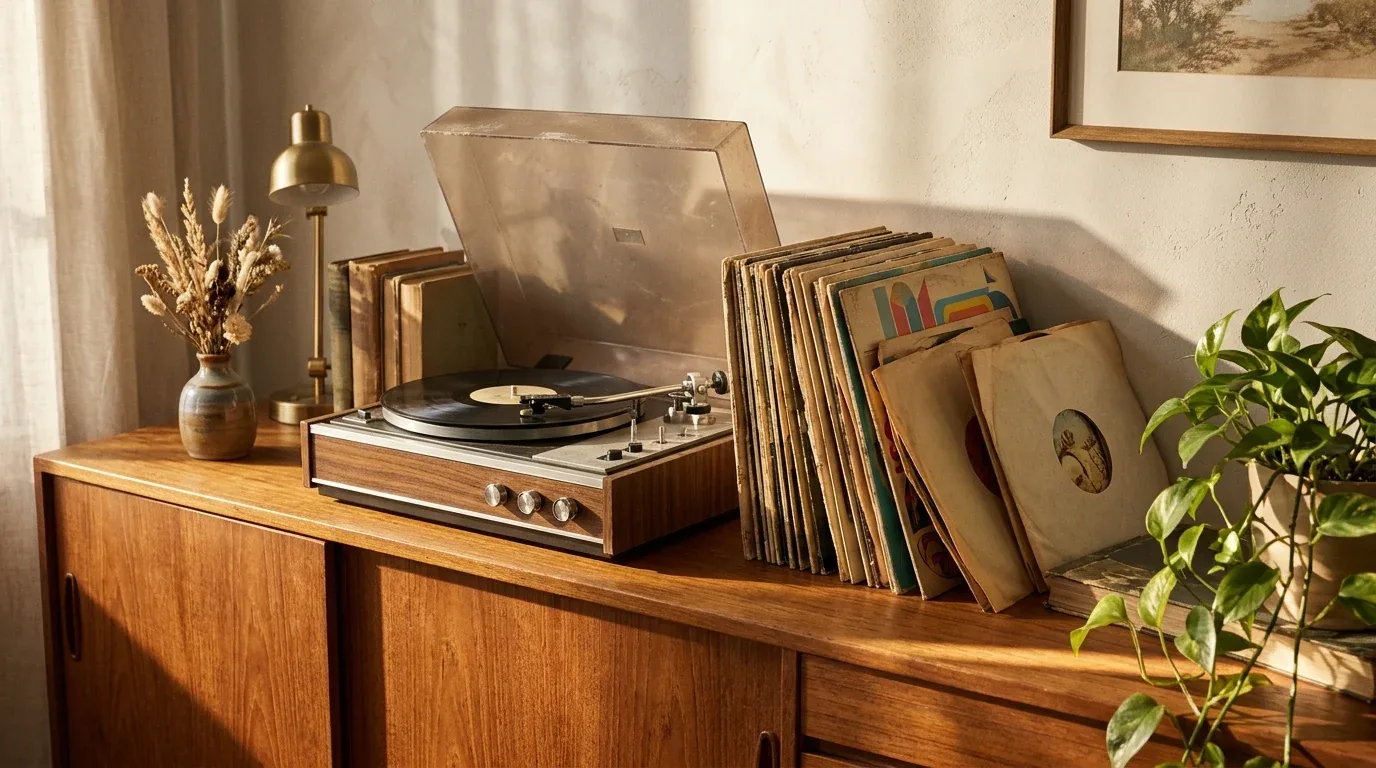
Slow to medium songs are easiest, because each step has time to finish. Choose tracks with a clear beat that you already know well. Familiar music lets you think less about the timing and more about how you feel. Keep the volume at a level where you can still hear a phone or a knock at the door, and make a short playlist so that you are not searching for a song while standing up. Three or four songs is about right for this routine.
Keeping the habit going
Link your dance session to something you already do, such as after breakfast or the morning news. Keep the chair and shoes in the same place. Play songs you love from any decade, because the music is part of why this works. A weekly rhythm can help too, and this weekly dance workout routine shows how to space out your sessions with rest days.
Dancing with someone else can also help you keep going. Invite a friend or partner, or look for a local senior center class, where a teacher can watch your balance and suggest changes.
For your first session, choose one favorite song, sit or stand beside your chair, and march gently until it ends. Note how you feel. If it went well, do the same again in a day or two.

GenDance Wellness is maintained by the GenDance Editorial Team and publishes informational content about dance fitness, beginner learning, dance gear, and safer home practice.