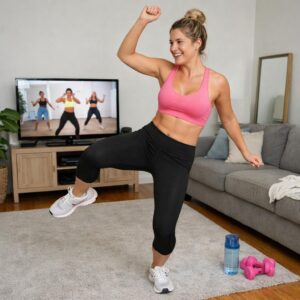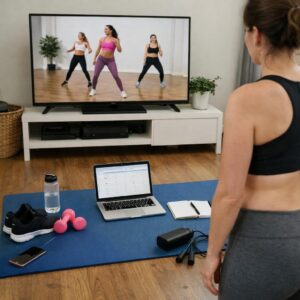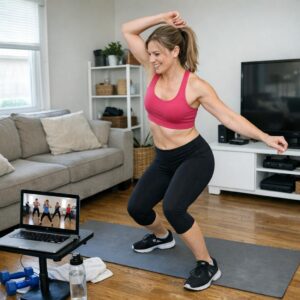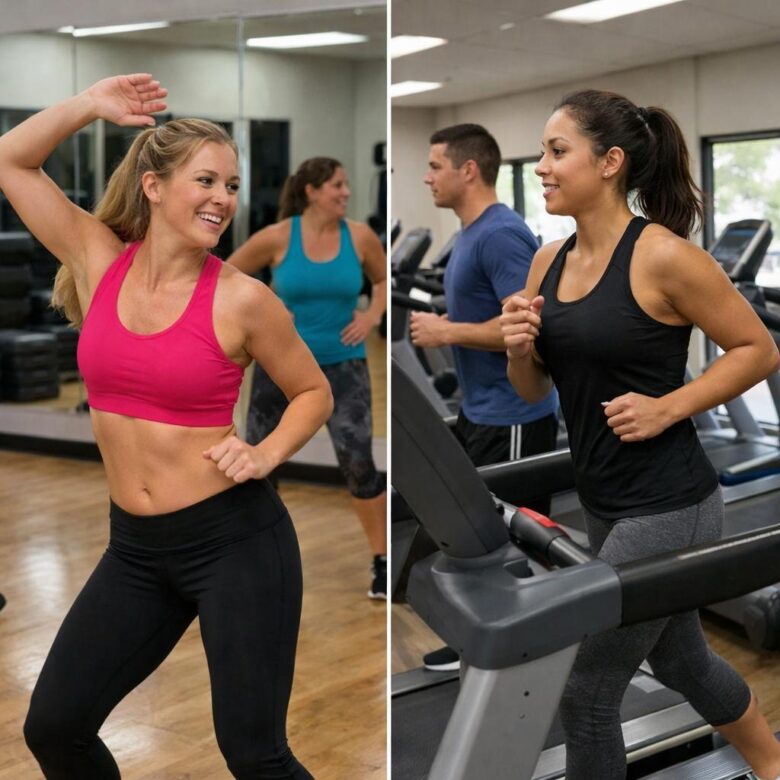
Choose the workout you can practice regularly—not the one with the biggest calorie-burn promise. Physical activity can support weight loss by increasing energy use, but eating patterns also matter. Neither a dance class nor a treadmill session guarantees weight loss. CDC: Physical activity and weight
Start with your preferences: would you rather follow music and choreography, walk a familiar route or pedal through a planned session? Enjoyment is worth considering because choosing activities you like can help you stay active. NIDDK: Starting physical activity
Dance fitness is cardio, too
The distinction is really between formats, not between dance and cardiovascular exercise. Dancing, brisk walking and jogging are all examples of aerobic activity. NIDDK: Aerobic activity examples
Use these questions to narrow your choice:
- Consider dance fitness if you want music, guided movement and a class-style session. Preview a class to see whether you like its pace and teaching style.
- Consider walking, running or cycling if you would rather repeat a movement than learn choreography. Decide whether you prefer an outdoor route or an indoor session.
- Consider a mix if you want different options for different days. There is no need to commit to one format.
Compare effort—not just workout names
Use the talk test to judge intensity. At moderate intensity, you can talk but not sing. At vigorous intensity, you can say only a few words before pausing for breath. This gives you a practical way to compare sessions without buying a tracker. CDC: Activity intensity and the talk test
For your own comparison, note the session length, any extended pauses and how hard you were breathing. A useful question is, “How much time did I spend moving at a moderate effort?” rather than, “Did I finish the hardest class?”
Which burns more calories?
There is no single calorie figure that applies to every dance class or cardio session. CDC estimates differ by activity, and body weight also affects calorie use. Treat published numbers as approximate examples, not a personal prediction. CDC: Estimated calories used during activity
For weight loss, exercise contributes to the overall calorie deficit; it does not replace attention to eating patterns. Weight management can also be affected by medications, medical conditions, sleep, stress and other factors. CDC: Factors affecting weight management
Build a week you can repeat
For general health, adults should aim for at least 150 minutes of moderate-intensity aerobic activity or 75 minutes of vigorous activity each week, plus muscle-strengthening activity on at least two days. These are health targets, not a guarantee of weight loss; individual activity needs vary. CDC: Weekly activity recommendations
If you already tolerate 30-minute sessions, one planning example is:
- Monday and Friday: 30 minutes of moderate-effort dance.
- Tuesday, Thursday and Saturday: 30 minutes of brisk walking.
- Tuesday and Friday: additional strength-training sessions.
If that feels like too much, start smaller. NIDDK suggests beginning with 10 minutes a day and gradually adding time. NIDDK: Starting slowly
Check comfort and consistency
After two weeks, review which sessions you completed, which you enjoyed and what got in the way. Use those notes to adjust your schedule rather than automatically choosing harder workouts.
If you have an injury, a chronic condition or joint problems that activity could worsen, ask a health care professional about suitable options. Stop an activity that causes pain; seek help right away for warning signs such as chest pressure, extreme shortness of breath or dizziness. NIDDK: Exercise precautions
The practical choice: try dance if it appeals to you, choose another cardio format if it fits better, or combine them. Judge your routine by whether it fits your life—not by whether it looks more demanding than someone else’s.

GenDance Wellness is maintained by the GenDance Editorial Team and publishes informational content about dance fitness, beginner learning, dance gear, and safer home practice.