Before buying your first dance shoes, ask your instructor two questions: What footwear does this class require, and what is allowed on the studio floor? Use those answers to narrow your search before comparing colors, brands, or prices.
Start with your class—not a “beginner” label
Send the instructor a product link before ordering if you are unsure. Ask these questions for your class:
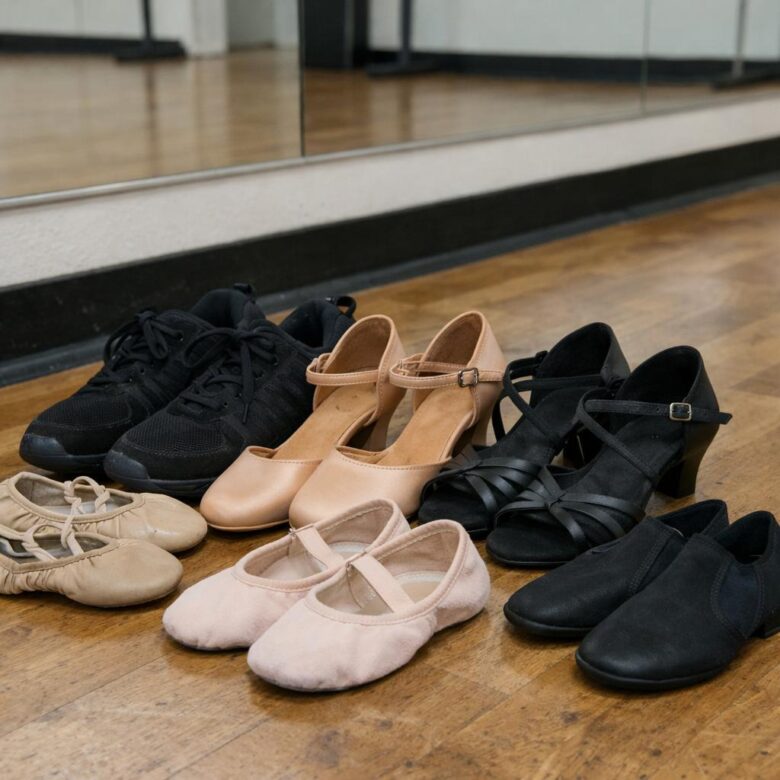
- Ballroom, salsa, or swing: Which sole materials work on this floor? Are flat or low-heeled practice shoes acceptable?
- Ballet: Which slippers, sole construction, and color does the class require?
- Jazz or tap: Is there a specific shoe style on the class supply list?
- Hip-hop or dance fitness: Are your existing clean sneakers suitable, or does the instructor request different footwear?
If you are taking a trial class, ask what you can wear before committing to a purchase.
Check the sole and the floor together
Suede and split sole do not mean the same thing. Suede describes a material; split sole describes construction with separate sole sections under the forefoot and heel. BLOCH explains this distinction in its ballet shoe guide. Source: BLOCH ballet shoe guide.
Suede-soled ballroom shoes need specific care. International Dance Shoes recommends brushing the soles and protecting them from moisture; follow the care instructions for the pair you buy. Source: International Dance Shoes care guide.
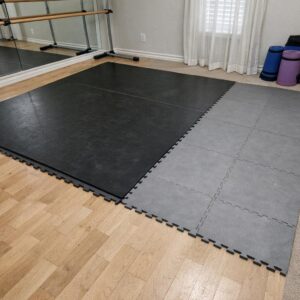
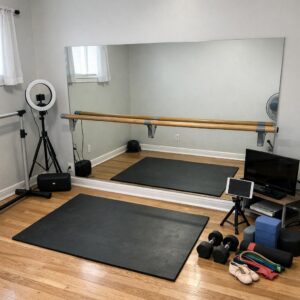
For home practice, check the surface as well as the shoes. Hospital for Special Surgery advises dancers to avoid uneven surfaces and recommends a sprung floor for styles involving jumps because of its shock absorption. Do not treat new shoes as a substitute for an appropriate practice surface. Source: HSS dance injury guidance.
Use a fitting checklist
Check the sizing guidance for the exact model rather than automatically ordering your street-shoe size. BLOCH notes that its size charts are starting points and that foot shape, width, and toe length affect fit. Source: BLOCH footwear sizing guide.
During a fitting, try both shoes, wear the socks or hosiery you intend to use, and bring any prescribed inserts. AAOS recommends fitting shoes later in the day and judging them by comfort and fit rather than the size printed inside. Source: AAOS shoe-fitting guidance.
- Fasten the shoes as you would for class.
- Ask the fitter to check toe position, width, and heel fit for that shoe style.
- With the retailer’s permission, walk and try a few slow basic steps.
- Notice pinching, rubbing, heel movement, or the need to grip with your toes, and discuss those issues before buying.
Do not buy a painful pair expecting it to become comfortable after breaking it in. AAOS advises choosing shoes that fit comfortably from the start. Source: AAOS shoe-fitting guidance.
Choose heels and support for your needs
Rather than using a universal heel-height rule, ask which options are appropriate for your class and compare them during a fitting. Higher heels increase pressure on the forefoot, according to AAOS; appearance alone is not a good reason to choose a taller heel. Source: AAOS guidance on heels.
If you have a history of ankle sprains, seek an individualized fitting rather than relying on a “supportive” product label. HSS notes that a more supportive shoe may help some dancers with previous sprains and recommends professional fitting. Source: HSS dance injury guidance.
Before you pay
- Confirm the model meets your class and floor requirements.
- Check the return deadline, return shipping costs, and indoor try-on restrictions.
- Include any required accessories in your budget.
- Read the manufacturer’s cleaning and sole-care instructions.
Buy for fit and class requirements first. AAOS emphasizes that the most expensive shoe is not necessarily the right purchase—the shoe should fit your foot. Source: AAOS shoe-buying guidance.

GenDance Wellness is maintained by the GenDance Editorial Team and publishes informational content about dance fitness, beginner learning, dance gear, and safer home practice.