Belly Dance for Beginners: 6 Basic Moves to Learn at Home
Belly dance for beginners starts with posture and isolation, which means moving one part of your body while the rest stays calm. You can begin barefoot or in soft shoes, in a small space, with no equipment. The first moves, such as hip drops, hip circles, and figure eights, are slow and low impact, so you can try them at nearly any fitness level.
The style has many regional forms and a long history, particularly across the Middle East and North Africa. Treat this guide as a starting point for the basics. If it sparks your interest, a qualified teacher can tell you much more about the music and traditions behind each movement.
Start with the basic posture
Almost every move depends on how you stand, so spend a minute here before anything else.
- Stand with your feet about hip-width apart.
- Soften your knees. Locked knees stop your hips from moving freely.
- Lift your chest gently and relax your shoulders down.
- Hold your arms out to the sides, a little below shoulder height, with soft elbows.
- Keep your weight even and your lower back long, not arched.
Six basic moves
1. Hip drop
Bring one foot slightly forward, lifting its heel. Straighten that knee a little to raise the hip, then let it drop on the beat. The movement goes downward, and your chest stays still. Practice on both sides.
2. Hip lift
The same setup, with the accent on the way up. Lift the hip sharply and let it relax down. Alternating drops and lifts helps you feel the difference.
3. Hip circle
Move your hips forward, to the right, back, and to the left in a smooth, flat circle. Keep your shoulders in one place, as though they rest on a shelf. Go both ways.
4. Figure eight
Trace a horizontal eight with your hips. Push one hip forward, swing it around to the back, then bring the other hip forward. This takes time, so keep it small at first.
5. Chest lift and drop
With your hips still, lift your chest up, then let it soften down. It is a small movement that gives a lovely contrast to hip work.
6. Shimmy
Bend and straighten your knees alternately and quickly, with your hips relaxed. The shake comes from your knees, so your hips simply respond. Start slowly and speed up only when it stays loose.
What to wear
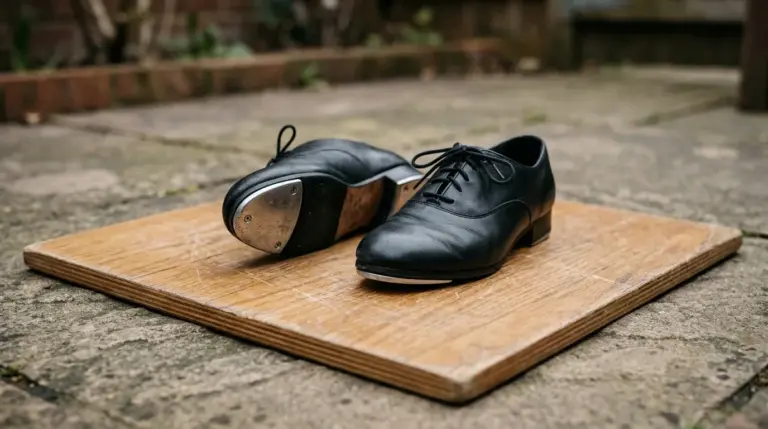
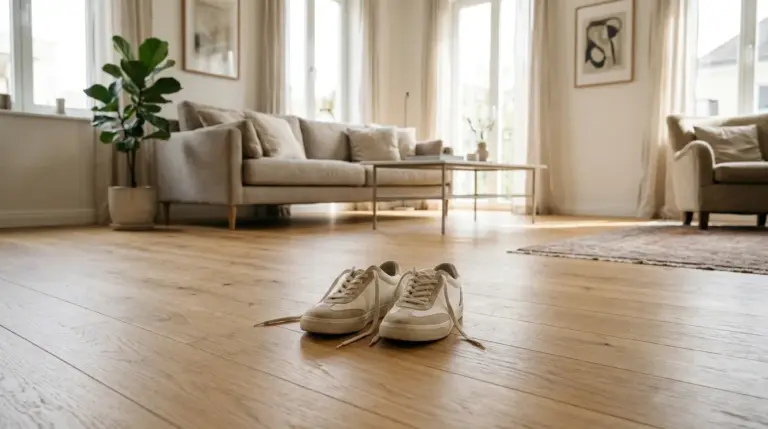
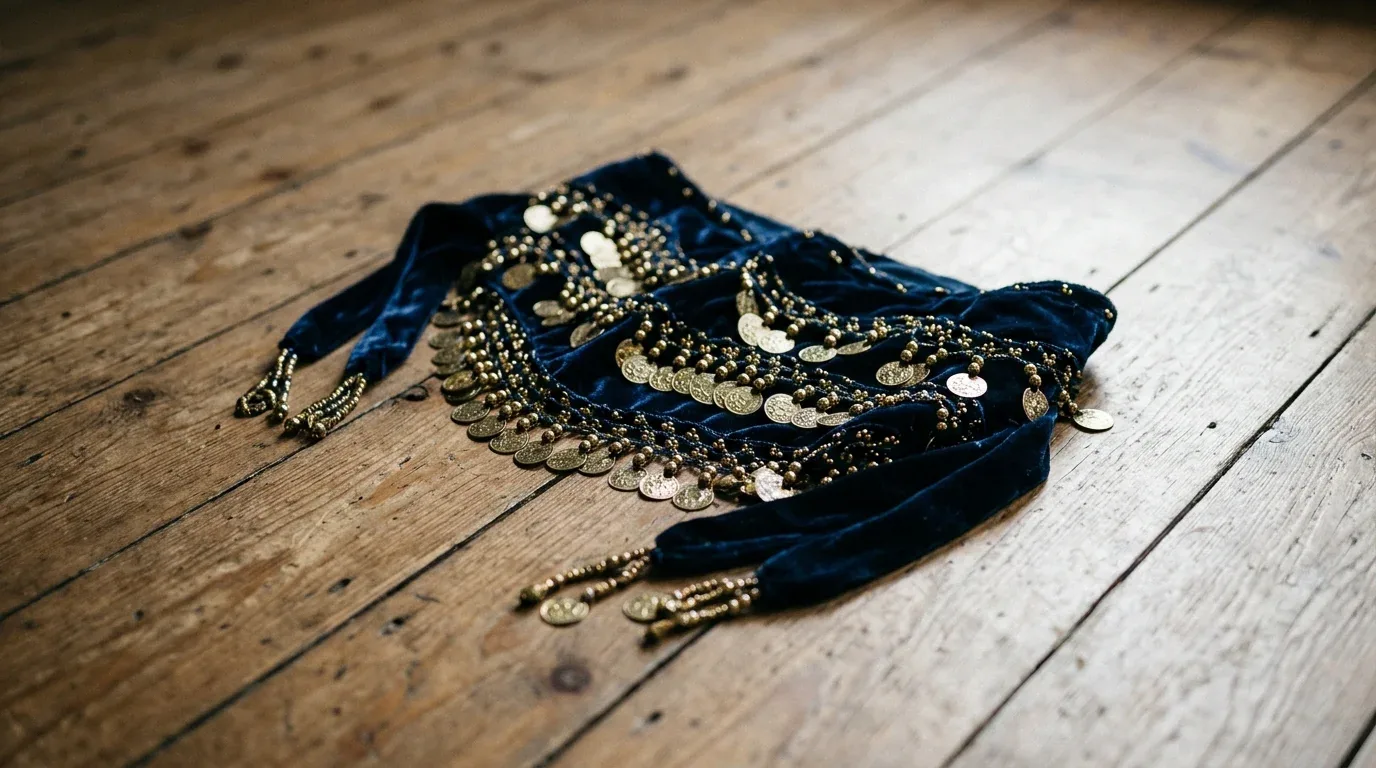
You do not need a costume. Leggings and a fitted top let you see your hips and spine in a mirror. Some people tie a scarf around their hips, which makes small movements easier to see and adds a little sound if it has coins. Bare feet are common in class, though you should check that your floor is clean and free of splinters. If you need shoes for grip or comfort, ask a teacher what suits your surface.
Which moves work your balance and control?
| Move | Main focus | Good next step |
|---|---|---|
| Hip drop | Isolation | Add a slow walk |
| Hip circle | Smooth control | Make it smaller and slower |
| Figure eight | Coordination | Try it traveling forward |
| Chest lift | Upper body isolation | Combine with a hip drop |
| Shimmy | Relaxation and stamina | Hold it for one full phrase |
A 15-minute home practice
This plan is a suggestion and not a tested program. Choose slow instrumental music at first.
- Warm up for 3 minutes. March gently, roll your shoulders, and make small hip circles.
- Posture check for 1 minute. Stand side-on to a mirror, or film yourself.
- Hips for 5 minutes. Drops and lifts on each side, then circles.
- Chest for 2 minutes. Slow lifts and drops.
- Combination for 3 minutes. Four hip drops, one circle, one chest lift. Repeat.
- Cool down for 1 minute. Walk slowly and breathe.
If you are short on space, this guide to a small home dance studio covers what to clear first. These home practice tips also show how to choose one clear goal per session.
Common mistakes
- Moving your shoulders with your hips. Rest your hands on your shoulders for a moment to feel when they lift.
- Arching your back. Lengthen your lower back and soften your knees.
- Rushing the shimmy. A slow, relaxed shimmy is better than a fast, tense one.
- Holding your breath. Breathing keeps the movements fluid.
Finding music and a teacher
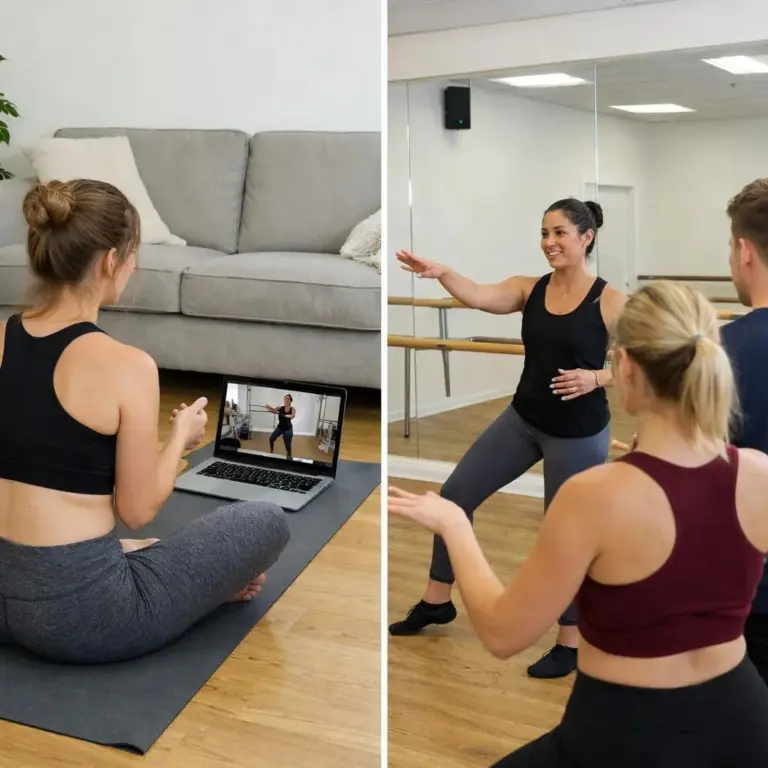
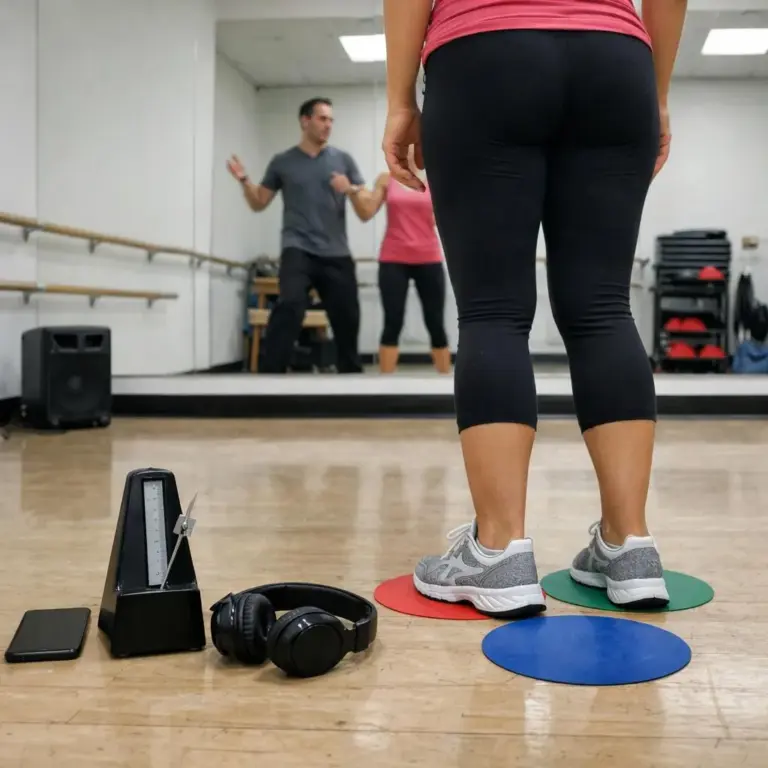
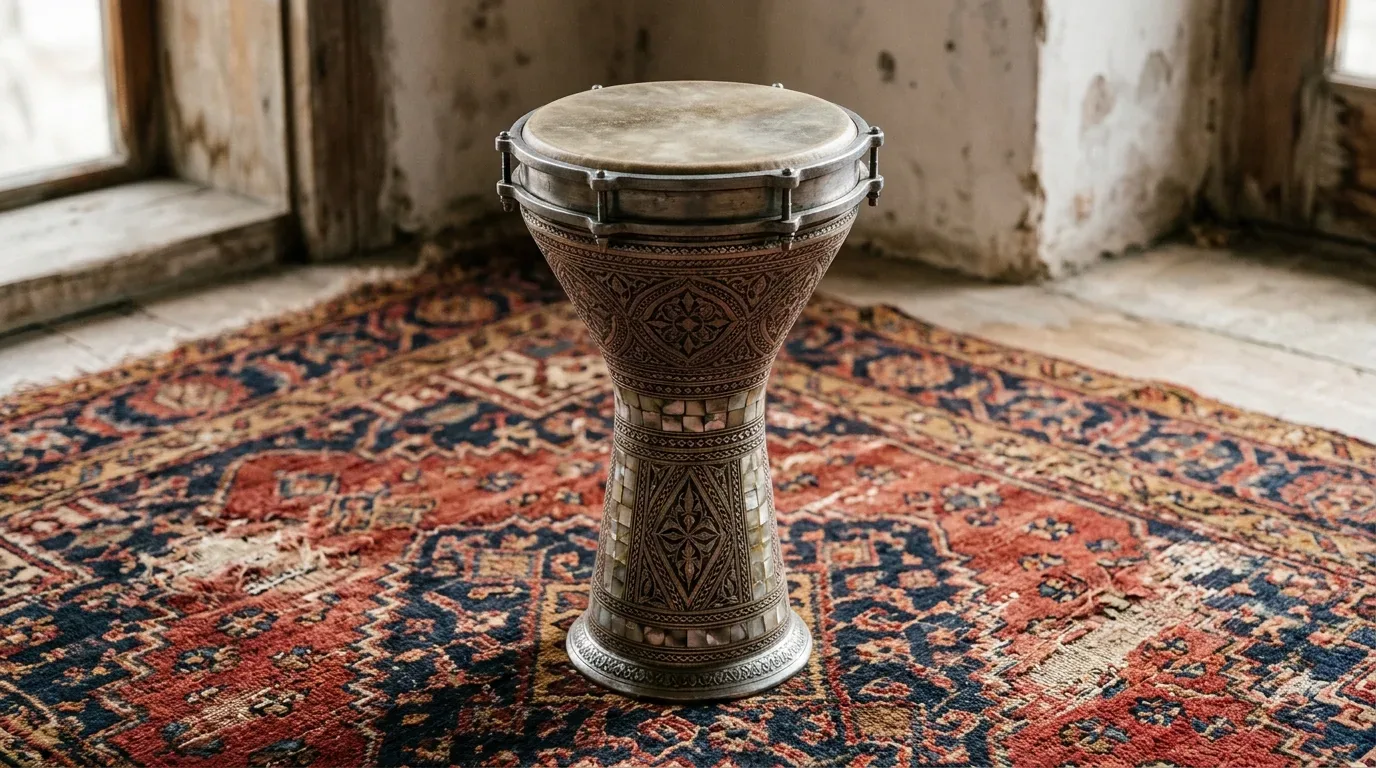
Practicing to the music the dance grew from will change how the moves feel. Look for lessons that explain rhythm as well as steps, since teachers often introduce common Middle Eastern rhythms early on. To judge a course or video, this guide to learning dance online lists what to check. If a live class is available nearby, compare it with this look at online and in-person lessons.
How quickly will it feel natural?
Isolations can feel strange for weeks, and that is normal. Your body is learning to keep some muscles relaxed while others work. Short, regular sessions tend to feel better than one long one, and it helps to stop before you become tired, since posture is the first thing to slip. A warm-up helps too: the NHS suggests starting gently with marching and shoulder rolls. Film yourself from the side once a month. Compare the clip with your last one, not with a professional dancer who has trained for many years.
Practice comfortably
Keep your range small until your body feels used to the movement. Stop if you feel pain in your back, hips, or knees, and avoid repeating a move to push through it. If you are pregnant, recovering from surgery, or managing a back or pelvic condition, ask a healthcare professional what is appropriate before starting.
Today, try the posture and the hip drop for five minutes. That is a real beginning, and everything else in belly dance grows from it.

GenDance Wellness is maintained by the GenDance Editorial Team and publishes informational content about dance fitness, beginner learning, dance gear, and safer home practice.