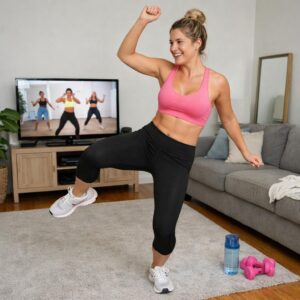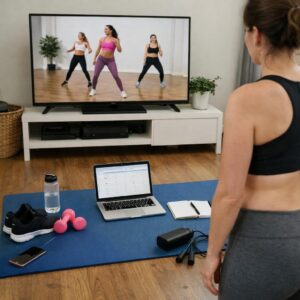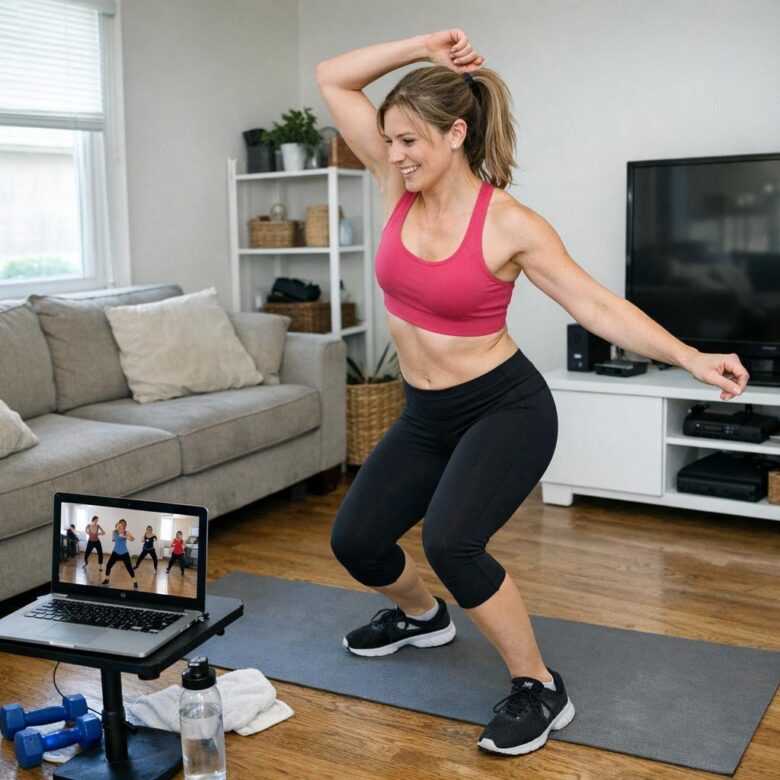
What if your best workout doesn’t feel like a workout at all?
Online dance fitness classes turn home training into something you actually want to repeat-mixing cardio, coordination, strength, music, and mood-boosting movement without the pressure of a crowded studio.
Whether you’re into Zumba, hip-hop, barre-inspired dance, Latin rhythms, or beginner-friendly follow-along routines, the right platform can help you burn calories, build stamina, and stay consistent from your living room.
This guide breaks down the best online dance fitness classes for different goals, fitness levels, budgets, and training styles-so you can find a program that keeps you moving long after the first class ends.
What Defines the Best Online Dance Fitness Classes for Home Training?
The best online dance fitness classes are not just fun videos with music; they provide structure, safe instruction, and enough variety to keep you consistent at home. A strong program should offer beginner-friendly modifications, clear coaching cues, and workout plans that match real goals such as weight loss, cardio endurance, flexibility, or low-impact fitness.
For home training, production quality matters more than people expect. If the instructor’s footwork is hard to see or the audio is out of sync, motivation drops quickly. Platforms like Obé Fitness, Apple Fitness+, and YouTube Premium work well because they are easy to stream on a smart TV, tablet, or phone without complicated fitness equipment.
- Class variety: Look for dance cardio, hip-hop, Latin dance, barre, and low-impact options so your routine does not feel repetitive.
- Progression: Good programs include short beginner sessions and longer advanced workouts as your stamina improves.
- Practical features: Filters for duration, intensity, trainer, calories, and equipment can save time and improve adherence.
A real-world example: someone training in a small apartment may benefit more from a 20-minute low-impact dance workout than a high-jump cardio class that disturbs neighbors. The best subscription service should fit your space, schedule, internet connection, and budget, not just look impressive in a promo video.
Also consider cost, free trial length, cancellation terms, and device compatibility before paying. The right online fitness platform should feel convenient enough to use on busy days, because consistency is what turns home dance workouts into measurable health benefits.
How to Choose a Dance Workout Platform Based on Fitness Level, Music Style, and Space
Start with your current fitness level, not the most exciting class preview. If you are new to cardio or returning after a break, choose online dance fitness classes with beginner filters, low-impact options, warm-ups, and clear cueing, such as Obé Fitness or Body Groove. Advanced users may get more value from platforms with longer sessions, strength add-ons, heart rate tracking compatibility, and progressive workout plans.
Music style matters more than people realize because it affects consistency. If you enjoy Latin music, Zumba-style workouts may keep you motivated; if you prefer hip-hop, look for platforms with choreography breakdowns rather than nonstop routines. For example, someone who loves Afrobeats but struggles with coordination should choose a dance workout app that offers short tutorials before full cardio classes.
- Small apartment: choose low-impact dance cardio, no-jump classes, and routines labeled “small space.”
- Home gym or garage: consider higher-intensity programs with fitness equipment, resistance bands, or smart TV streaming.
- Shared living space: look for on-demand classes with headphones, mobile app access, and quiet footwork options.
Also compare subscription cost, free trial length, device support, and cancellation terms before committing. A good platform should work smoothly on your phone, tablet, or smart TV, especially if you train before work or between family responsibilities. In practice, the best choice is the one that fits your room, your music taste, and your recovery level-not just the trendiest brand.
Common Mistakes to Avoid When Starting At-Home Dance Fitness Classes
One of the biggest mistakes is choosing an online dance fitness class based only on popularity. A high-energy program may look fun, but if it does not match your fitness level, space, or joint comfort, you may quit quickly or risk injury. For example, a beginner in a small apartment may do better with low-impact dance cardio on Apple Fitness+ than a fast hip-hop workout with lots of jumping.
Another common issue is ignoring your setup. Poor Wi-Fi, a phone screen that is too small, or slippery flooring can make even the best home workout subscription feel frustrating. If possible, stream classes on a smart TV or tablet, wear supportive training shoes, and clear enough space to move side to side safely.
- Skipping warm-ups: Jumping straight into choreography can strain calves, knees, or hips.
- Not tracking intensity: A fitness tracker or heart rate monitor can help you avoid overtraining.
- Choosing cost over quality: Free videos are useful, but paid platforms often offer structured programs, progress tracking, and better coaching.
Many beginners also try to follow every move perfectly. That is not necessary. In real classes, even experienced participants modify steps, reduce arm movements, or march in place when the routine gets too intense.
Finally, avoid taking random classes with no plan. For better results, schedule two to four dance fitness workouts per week and mix styles such as Zumba, barre dance, and low-impact cardio. This keeps training enjoyable while supporting weight loss, endurance, and long-term consistency.
Closing Recommendations
The best online dance fitness class is the one you’ll return to consistently. Choose based on your music taste, fitness level, available space, and whether you need live motivation or flexible on-demand workouts.
Practical takeaway: start with a free trial, test two or three class styles, and notice which one keeps you moving without feeling like a chore. If your goal is weight loss, prioritize consistency and intensity; if you want stress relief, choose classes that feel joyful and expressive. The right platform should make home training easier, more enjoyable, and sustainable long term.

Dr. Adrian Miles is a movement wellness specialist focused on dance fitness, online dance learning, and healthy body movement. He creates practical content to help readers improve coordination, confidence, flexibility, and overall well-being through accessible dance-based routines.